

- 3 September 2026
- technologies, The Neuro-Concept Blog
Is Artificial Intelligence Transforming NeuroRehabilitation?
By Dre Murielle Grangeon, PhD, Kin, Admin.A.
Artificial intelligence (AI) is rapidly reshaping healthcare. From improving medical imaging analysis to streamlining administrative processes and supporting clinical decision-making, AI-powered technologies are becoming increasingly integrated into healthcare systems around the world.
But what role can AI play in neurorehabilitation?
Can artificial intelligence help improve recovery after a stroke, spinal cord injury, Parkinson’s disease, multiple sclerosis, or other neurological conditions?
The answer is promising.
While AI is unlikely to replace healthcare professionals, it has the potential to enhance rehabilitation by helping clinicians make more informed decisions, personalize treatment plans, and monitor patient progress with greater precision. Used responsibly, AI can serve as a powerful tool that complements human expertise and supports better outcomes for patients.
What Is Artificial Intelligence in Healthcare?
Artificial intelligence refers to computer systems designed to analyze large amounts of data, recognize patterns, learn from experience, and generate insights or recommendations.
In healthcare, AI technologies are already being used to:
- Analyze medical images
- Identify health risks and disease patterns
- Improve care coordination and service delivery
- Predict clinical outcomes
- Automate administrative workflows
- Accelerate scientific discovery and research
By processing information at a scale and speed that would be impossible for humans alone, AI can help healthcare providers make more informed decisions while reducing time spent on repetitive tasks.
How AI Is Being Applied in NeuroRehabilitation

Neurorehabilitation generates vast amounts of data.
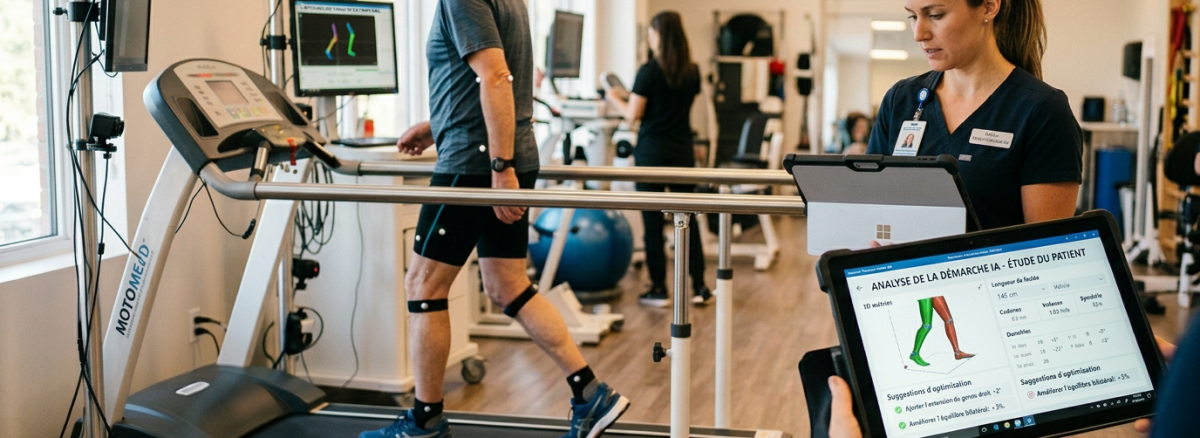
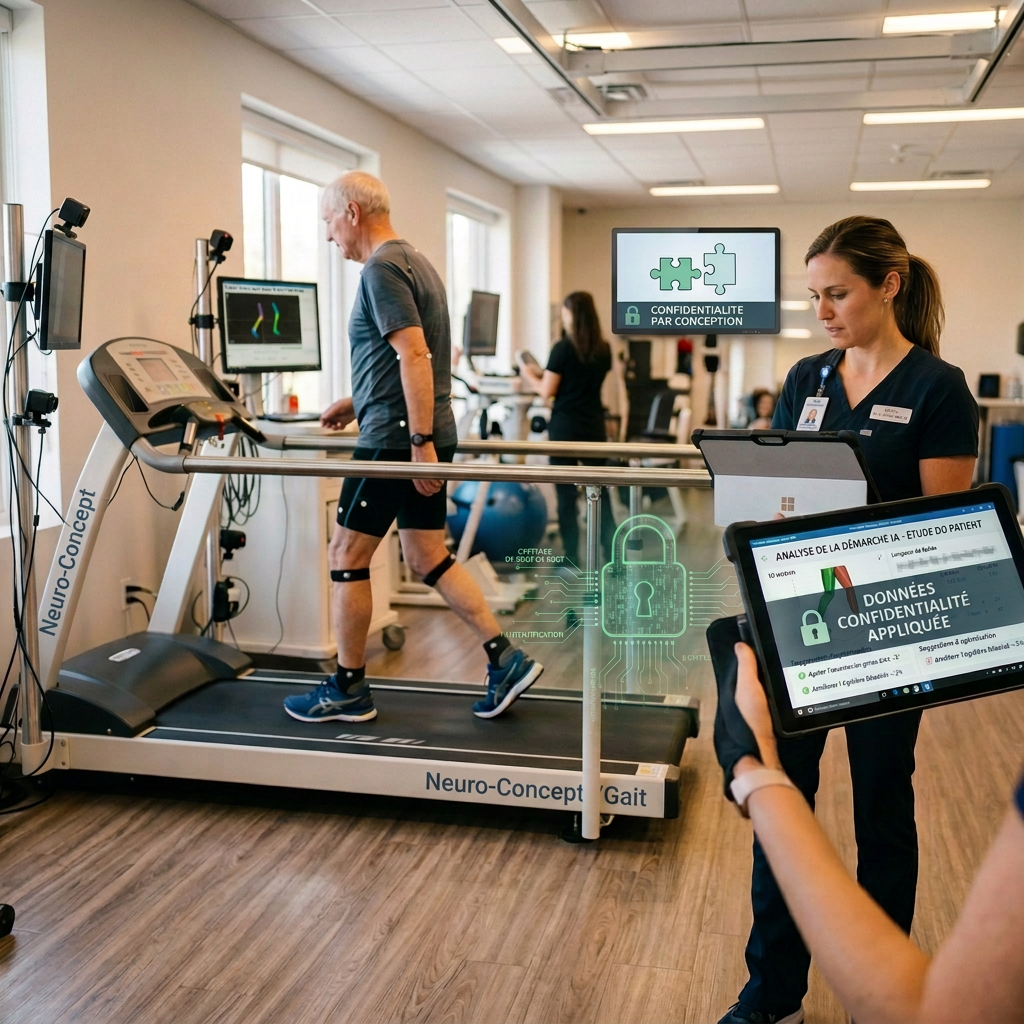
Robotic gait training systems, motion sensors, functional electrical stimulation (FES), exoskeletons, instrumented treadmills, and advanced assessment technologies continuously collect information about a patient’s performance and recovery.
AI has the potential to transform this data into actionable clinical insights.
More Personalized Rehabilitation Programs
Recovery from a neurological injury is highly individualized.
By analyzing large volumes of patient data, AI may help clinicians identify which treatment strategies are most likely to benefit a particular individual based on their unique characteristics and recovery goals.
More Sensitive Progress Tracking
Artificial intelligence can detect subtle changes in movement patterns or functional performance that may be difficult to identify during routine clinical assessments.
This additional level of precision could help rehabilitation teams adjust treatment plans sooner and more effectively.
Optimizing Training Intensity
Artificial intelligence can detect subtle changes in movement patterns or functional performance that may be difficult to identify during routine clinical assessments.
This additional level of precision could help rehabilitation teams adjust treatment plans sooner and more effectively.
Supporting Clinical Decision-Making
Artificial intelligence is not replacing clinicians.
Rather, it functions as a decision-support tool that helps professionals access, organize, and interpret relevant information more efficiently.
The therapist remains responsible for evaluating the patient’s needs, establishing goals, and making treatment decisions. AI simply provides additional information to support that process.
Will Artificial Intelligence Replace Healthcare Professionals?
This is perhaps the most common question surrounding AI in healthcare.
The short answer is no.
Artificial intelligence can analyze data, recognize patterns, and perform calculations faster than humans. However, rehabilitation involves much more than data analysis.
AI cannot replace:
- Clinical judgment
- Professional experience
- Empathy
- Trust
- Motivation
- Human connection
- Individualized problem-solving
People living with neurological conditions are more than a collection of measurements and statistics.
Their emotions, personal goals, family environment, daily challenges, and lived experiences all influence the rehabilitation process.
These human dimensions remain at the heart of effective care and cannot be replicated by an algorithm.

More Time for Patients, Better Support for Clinicians
One of the greatest advantages of AI may be its ability to reduce administrative and analytical burdens, allowing healthcare professionals to focus more of their time on patient care.
Potential benefits include:
More Personalized Care
Improved Access to Services
More Precise Follow-Up
Faster Innovation
Challenges and Limitations of AI in Healthcare
Protecting Patient Privacy
Health information is among the most sensitive personal data that exists.
Organizations using AI technologies must ensure that patient information is collected, stored, and processed according to strict privacy regulations and security standards.
Algorithmic Bias
AI systems learn from the data they are trained on.
If those datasets are incomplete or fail to represent diverse populations, the resulting recommendations may be biased or less accurate for certain groups of individuals.
Transparency and trust
Some AI models operate as a “black box,” making it difficult to understand exactly how recommendations are generated.
This lack of transparency raises important ethical and clinical questions regarding accountability and decision-making.
What Is the Future of AI in Neurorehabilitation?
The future of neurorehabilitation is not about replacing healthcare professionals with machines.
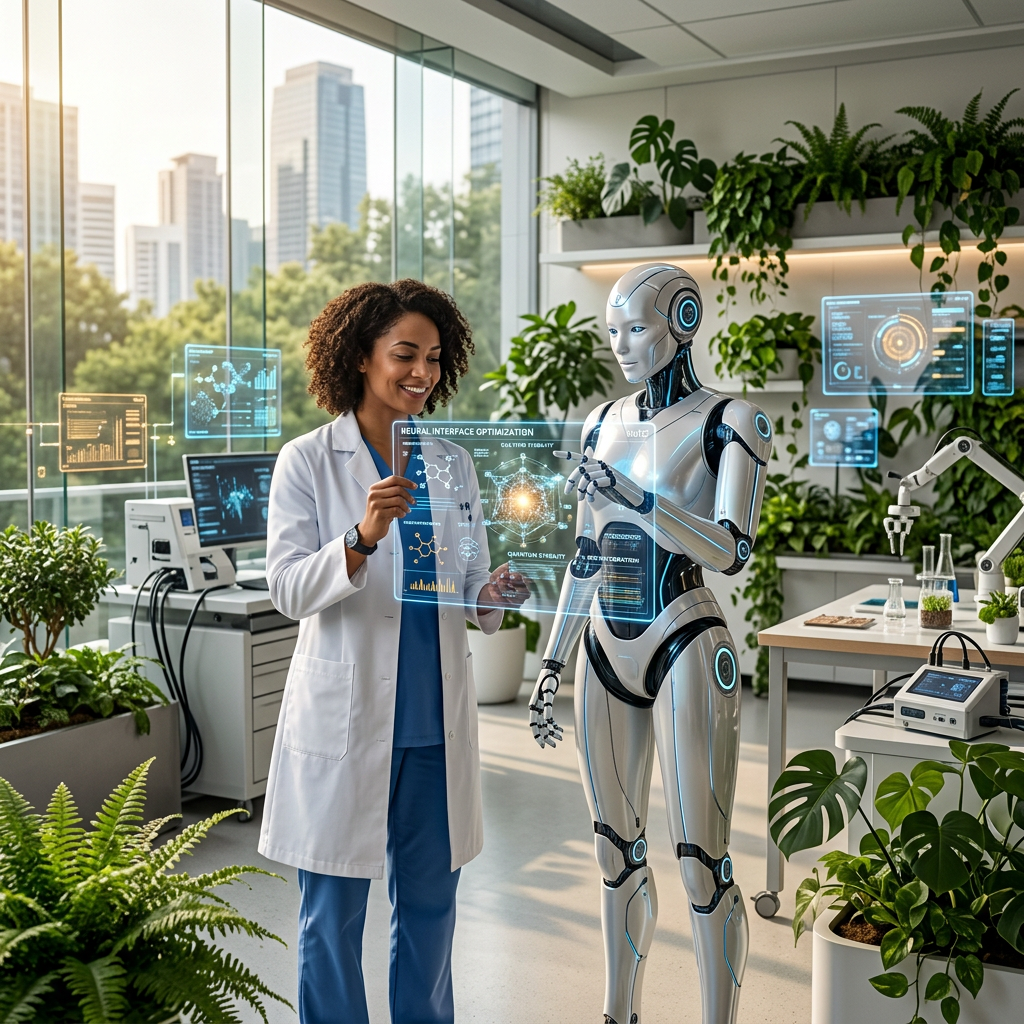
It is about creating a powerful partnership between advanced technology and human expertise.
As rehabilitation technologies continue to evolve, AI has the potential to improve clinical outcomes, enhance patient experiences, and increase access to high-quality care.
Artificial intelligence is one of many promising tools shaping the future of neurorehabilitation.
When implemented responsibly, it may help make rehabilitation more personalized, more precise, and more effective than ever before.
Yet one thing is unlikely to change.
At the center of every successful rehabilitation journey is a human relationship built on trust, compassion, expertise, and collaboration.
Frequently Asked Questions (FAQ)
Yes. Some rehabilitation clinics and healthcare centers already use technologies that incorporate AI to analyze movement patterns, monitor functional progress, or optimize training parameters. Adoption varies depending on available resources, technologies, and clinical settings.
Researchers are currently exploring AI applications for a variety of neurological conditions, including:
- Stroke
- Spinal cord injury
- Multiple sclerosis
- Parkinson’s disease
- Traumatic brain injury (TBI)
- Neurodegenerative disorders
The field continues to expand as new technologies emerge.
Some robotic rehabilitation systems incorporate AI-based features to analyze patient performance and adapt levels of assistance or task difficulty. However, most robotic systems continue to operate under the supervision of trained healthcare professionals.
This is one of the most promising applications of AI in rehabilitation. By analyzing large amounts of patient data, AI may help identify exercise programs and training parameters that best match an individual’s abilities, limitations, and rehabilitation goals.
Because rehabilitation is about people, not just data.
No algorithm can fully understand an individual’s personal goals, emotional experiences, family support system, lifestyle, or unique circumstances. Successful rehabilitation depends on the therapeutic relationship between patients and their healthcare team, making human expertise an irreplaceable part of the recovery process.