

Neurorehabilitation for Individuals with Spinal Cord Injury
A specialized, human-centered, and science-based approach
🔬 Understanding Spinal Cord Injury: A Neurophysiological Perspective
Spinal cord injury (SCI) is a severe neurological condition that partially or completely disrupts the transmission of nerve signals between the brain and the rest of the body. It can lead to paralysis, loss of sensation, and impairment of vital autonomic functions.
Whether traumatic, vascular, degenerative, tumoral, infectious, or immune-related, SCI may affect the lower limbs and trunk (paraplegia) or all four limbs and the trunk (tetraplegia). When the injury is incomplete, some neural pathways are preserved, allowing for partial recovery.
At Neuro-Concept, our mission is to support individuals living with spinal cord injury through a scientific, highly specialized, personalized, and interdisciplinary approach focused on functional recovery and quality of life.
⚙️ Functional Consequences of Spinal Cord Injury
The complexity and variability of spinal cord injury consequences require care delivered by a trained, prepared, and well-coordinated team. The multidisciplinary team at Neuro-Concept has advanced expertise in managing this population, grounded in evidence-based practice and the latest scientific advancements.
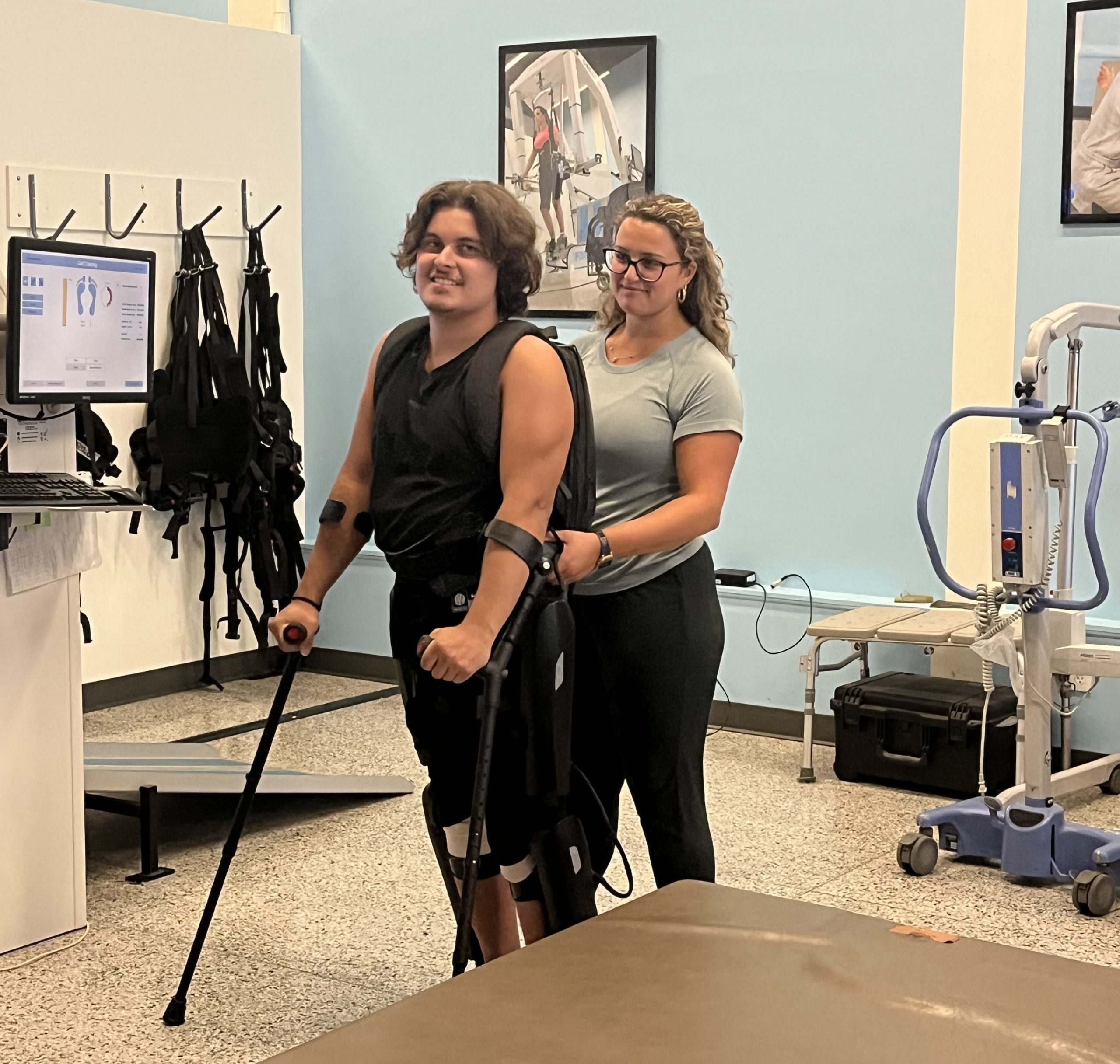
The integration of advanced technologies into our clinical practice enables early mobilization, regardless of the level of paralysis. This intensive approach addresses both:
- Re-education (recovery objectives)
- Rehabilitation/adaptation (adjustment to disability)
🔄 Neuroplasticity and Recovery Potential
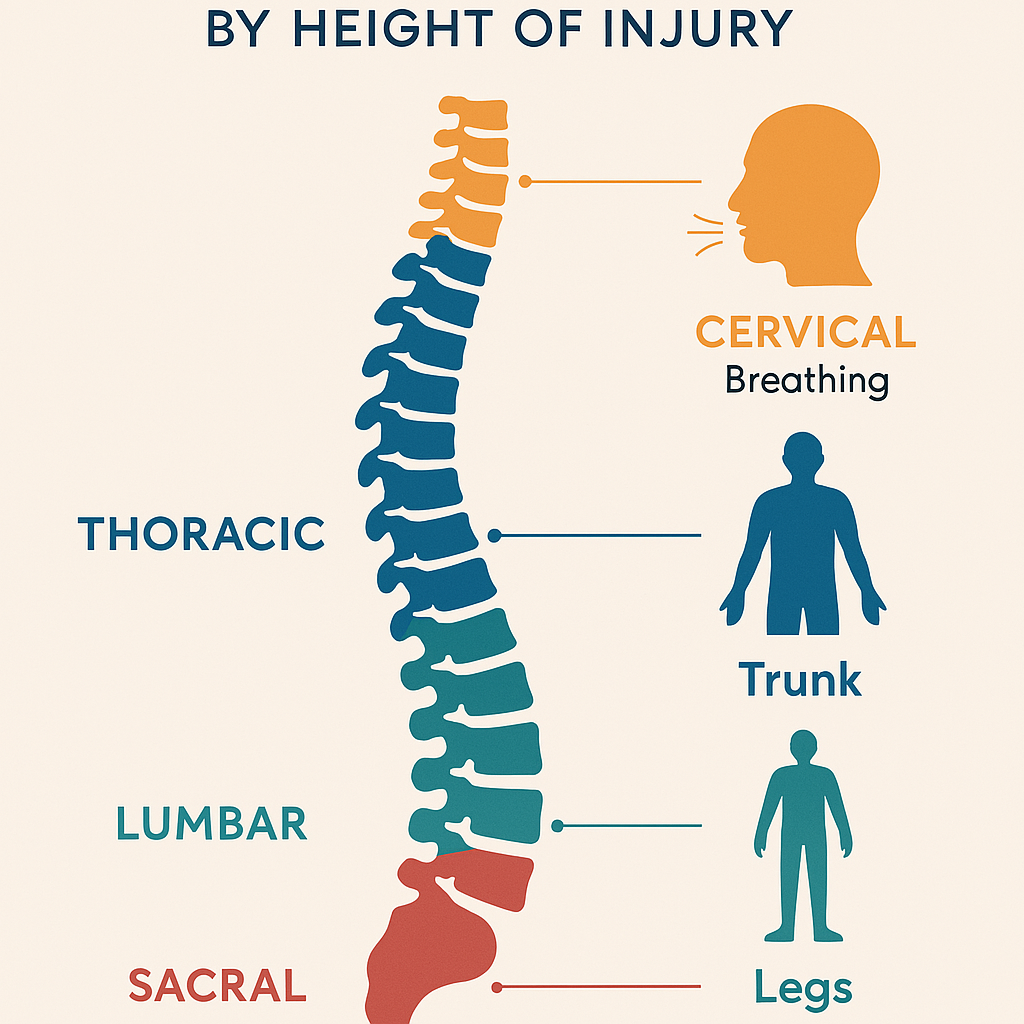
Spinal cord injury can have multiple origins (traumatic, vascular, degenerative, immunological, infectious, tumoral, etc.), leading to paraplegia (lower limbs and trunk) or tetraplegia (all four limbs and trunk), either complete or incomplete.
Depending on the level and severity of the injury, motor function and sensation may be impaired or entirely lost. The control of organs associated with the affected neurological region may also be disrupted, resulting in:
- Urinary incontinence and sphincter dysfunction
- Genitourinary disorders
- Digestive and cardiovascular dysfunction (dysautonomia)
- Respiratory impairments
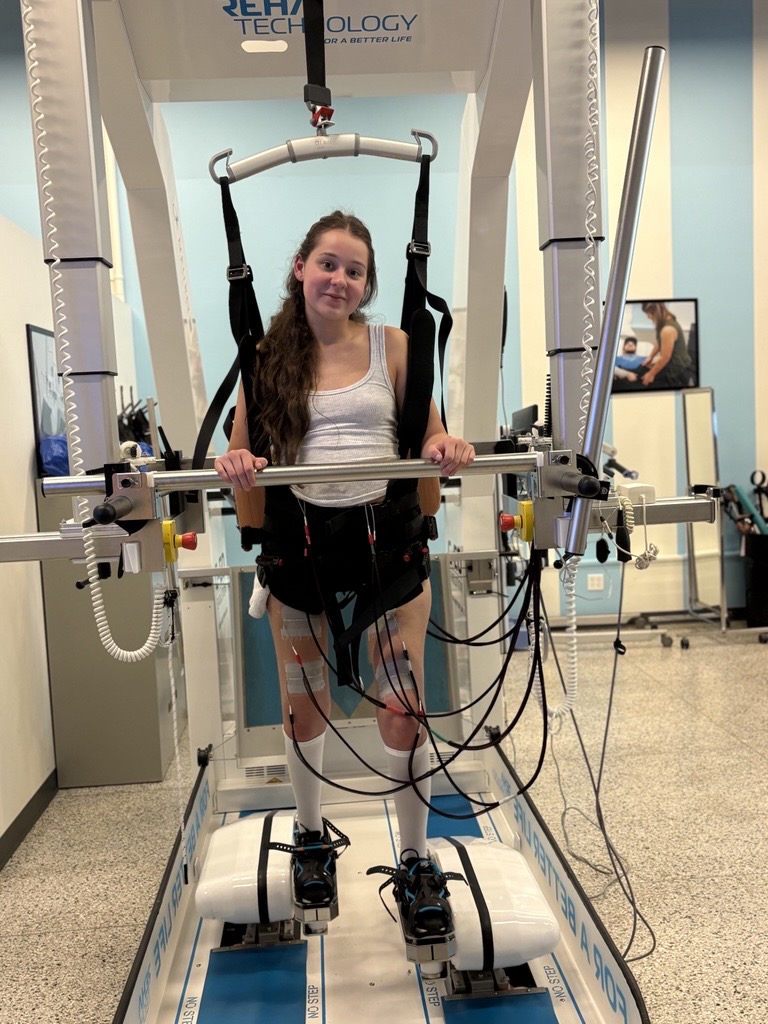
Complementary therapies such as neurological physiotherapy, specialized massage therapy, robotic-assisted therapy for weight-bearing and verticalization, functional electrical stimulation (FES), and motor imagery play a key role.
These interventions:
- Stimulate neuroplasticity
- Help manage spasticity and neuropathic pain
- Prevent pressure injuries and osteoporosis
- Address secondary complications
They may also support progressive functional recovery depending on the level and initial severity of the injury.
🏥 Specialized Rehabilitation at Neuro-Concept
🔹 Physiatry
Plays a central role in SCI management by coordinating functional rehabilitation, managing spasticity and medical complications, and optimizing quality of life.
🔹 Neurological Physiotherapy and Kinesiology
Focus on improving motor control, balance, posture, muscle strengthening, cardiovascular endurance, and functional mobility.
🔹 Occupational Therapy
Supports social and professional reintegration, environmental adaptation (accessibility and ergonomics), psychological support, and sensorimotor and functional rehabilitation.
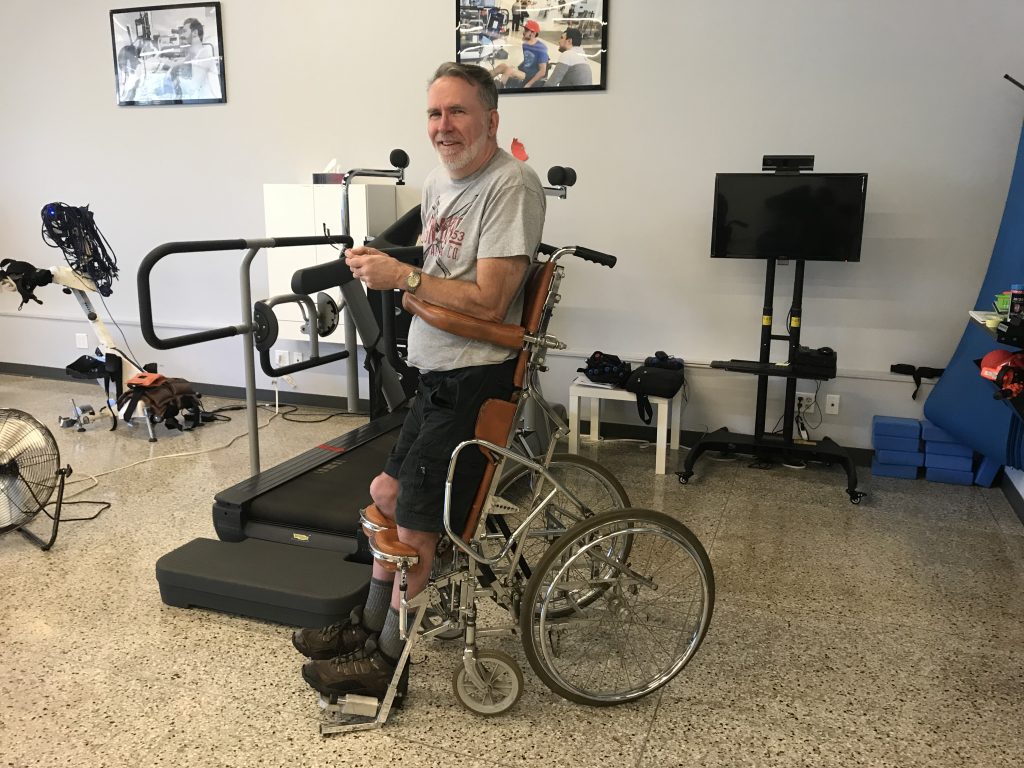
🔹 Robotic Assistance and Verticalization
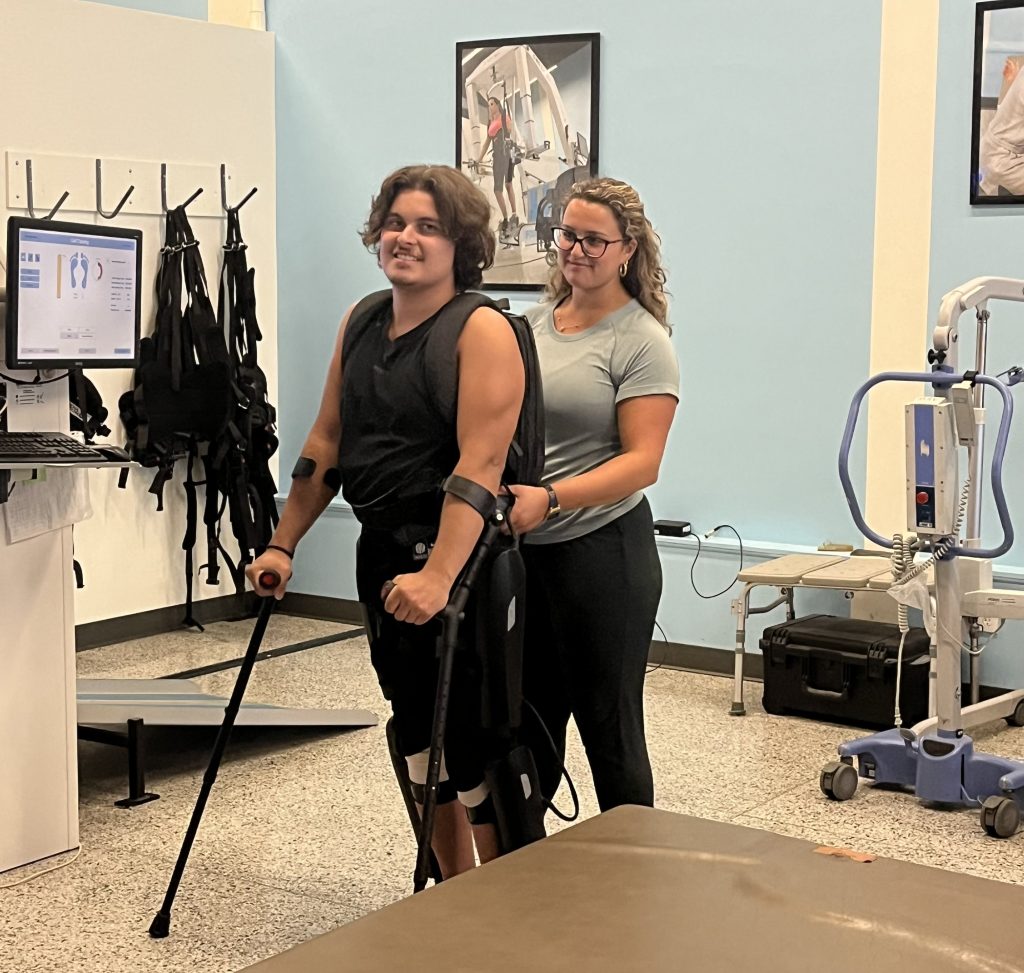
Robotic technologies enable early weight-bearing and gait training, even in cases of complete paralysis.
🔹 Functional Electrical Stimulation (FES)
Activates denervated muscles to prevent atrophy, promotes circulation, regulates spasticity, and contributes to motor recovery.
🔹 Specialized Massage Therapy
Helps manage pain, spasticity, and secondary circulatory disorders.
🔹 Motor and Mental Imagery
Brain activation techniques used to strengthen motor pathways associated with lost movements.
🔹 Education and Self-Management
Providing knowledge about SCI-related complications, including:
- Spasticity and neuropathic pain
- Urinary, bowel, and sexual dysfunction
- Risk of pressure sores and osteoporosis
📞 Contact Our Specialized Team
We are here to help you move forward, at your own pace.