

- 1 October 2026
- The Neuro-Concept Blog
BDNF: What Science Really Knows About One of the Brain’s Most Important Proteins
By Dre Murielle Grangeon, PhD, Kin, C. Admin
If you’ve read anything about neuroplasticity, stroke recovery, or brain health in recent years, chances are you’ve come across the term BDNF. In neuroscience, it has become something of a celebrity molecule. Some headlines even suggest that boosting BDNF could make the brain more resilient, improve memory, or accelerate recovery after neurological injury.
As is often the case when a scientific concept enters the mainstream, enthusiasm can sometimes outpace the evidence. So what exactly is BDNF, and what does the research really tell us? More importantly, are there practical ways to support it?
What Is BDNF?
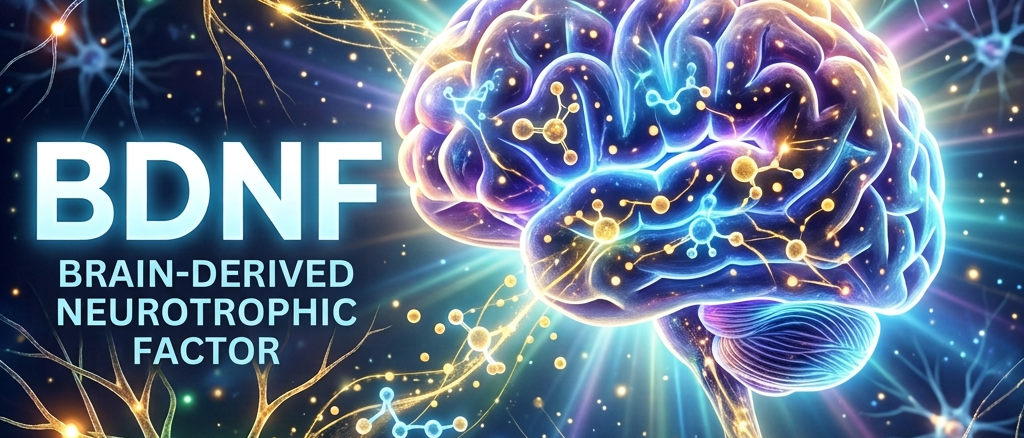
BDNF stands for Brain-Derived Neurotrophic Factor, a protein naturally produced by the nervous system. Its primary job is to help neurons survive, grow, communicate, and adapt.
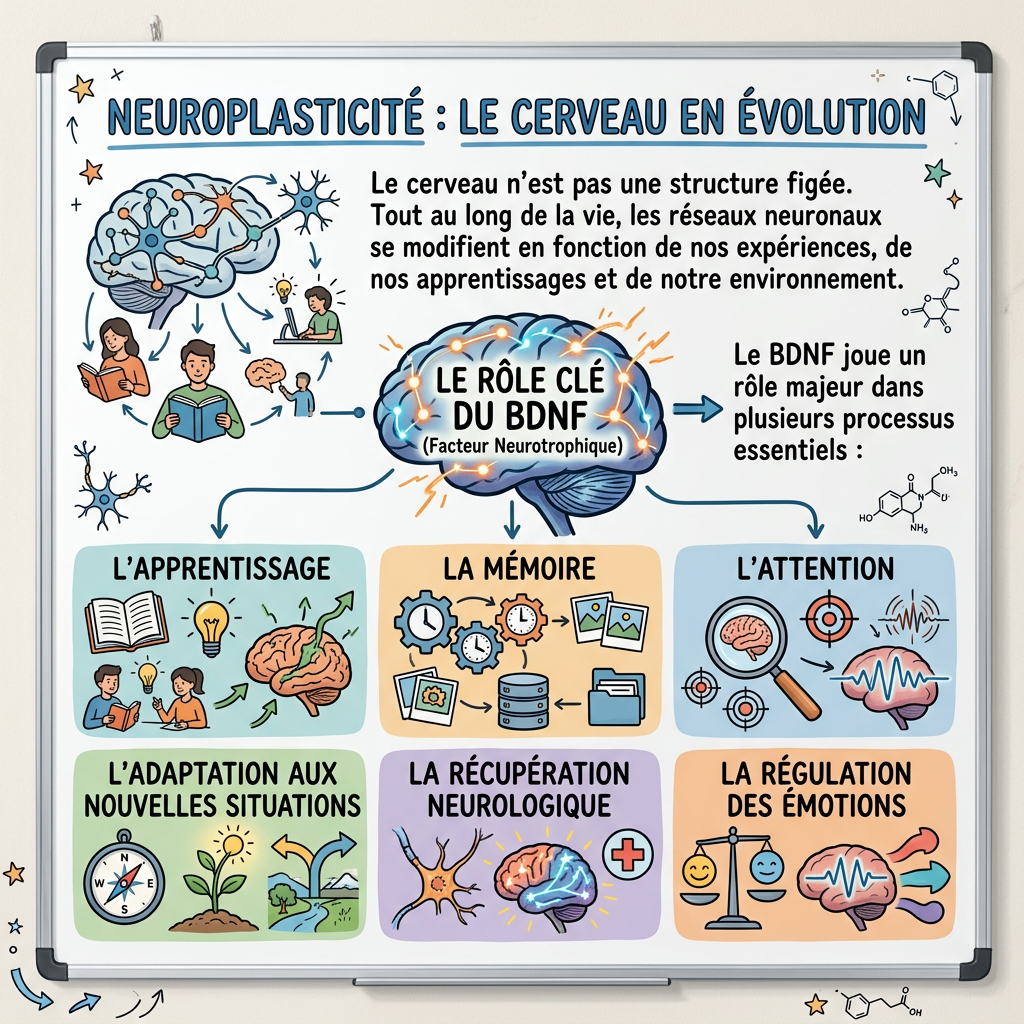
BDNF is deeply involved in neuroplasticity, the brain’s ability to reorganize itself in response to learning, experience, and injury. Every time you learn a new skill, practice a movement, form a memory, or recover after a neurological event, BDNF is part of the story.
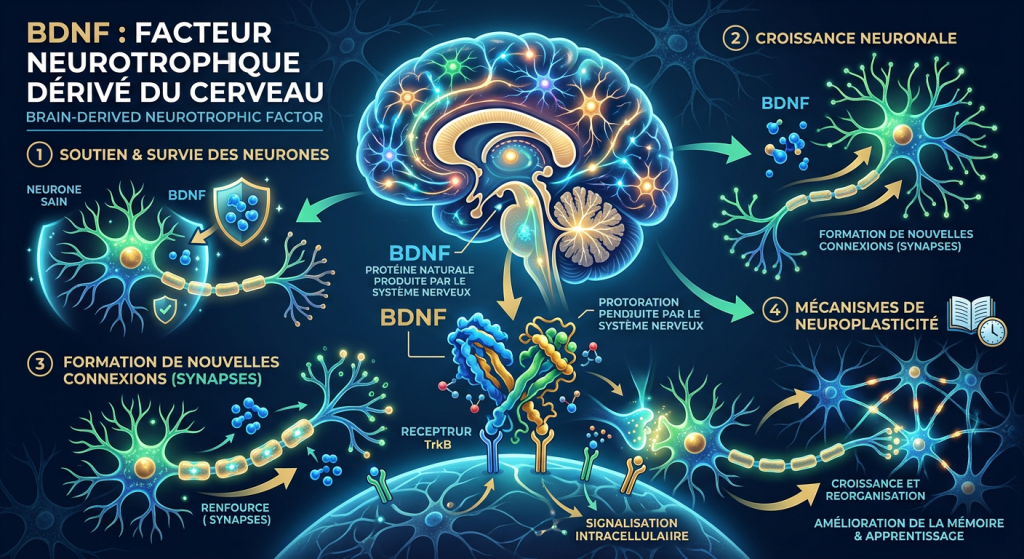
Because it helps support and strengthen neural connections, BDNF is sometimes described as “fertilizer for the brain.” The comparison isn’t perfect, but it captures the idea that this protein helps create the conditions that allow the nervous system to adapt and thrive.
Why Is BDNF So Important?
The brain is constantly changing. Contrary to what many people once believed, neural networks continue to remodel themselves throughout life.
BDNF helps support several functions that are essential to everyday cognition and neurological health, including:
- Learning
- Memory
- Attention
- Adaptation to new experiences
- Emotional regulation
- Recovery after neurological injury
Its activity is especially prominent in the hippocampus, a region strongly associated with learning and memory, although its effects reach far beyond a single area of the brain.
BDNF and Neurological Disorders
Alzheimer's Disease
Parkinson's Disease
Stroke Recovery and Neurorehabilitation
After a stroke, the brain begins a remarkable process of reorganization. Neural pathways are modified, strengthened, or rebuilt in an effort to restore lost functions.
This process relies heavily on neuroplasticity, and BDNF is considered one of its key molecular drivers.
That is one reason why intensive, repetitive, and task-specific rehabilitation can be so powerful. By challenging the nervous system, rehabilitation may stimulate the biological processes associated with BDNF and neural adaptation.
Ataxias and Other Neurological Conditions
Interest in BDNF extends to several rarer neurological disorders, including certain forms of cerebellar ataxia.
While research remains in its early stages, preliminary findings suggest that BDNF may help support the nervous system’s ability to compensate for injury and adapt to neurological challenges.
BDNF and Depression
The influence of BDNF extends beyond neurology into mental health.
Over the past two decades, researchers have consistently found that people experiencing major depressive disorder often show lower BDNF levels than individuals without depression.
One leading theory proposes that chronic stress can suppress BDNF production, reducing the brain’s capacity to adapt and reorganize itself. This loss of plasticity may contribute to the development or persistence of depressive symptoms.
Interestingly, several treatments known to improve depression also appear to influence pathways linked to BDNF, including:
- Regular physical activity
- Certain antidepressant medications
- Psychotherapy
- Transcranial magnetic stimulation (TMS)
This does not mean that depression is simply the result of low BDNF. Mental health disorders are far more complex than that. However, these findings highlight the close relationship between brain plasticity and emotional well-being.
Can You Increase BDNF Naturally?
The encouraging news is that you probably can.
The less exciting news? The most effective strategies are also the least glamorous.
Exercise Remains the Gold Standard
Among all the approaches studied so far, physical activity consistently produces the strongest evidence.
Studies show that regular exercise can increase BDNF levels in both healthy individuals and people living with neurological conditions.
You don’t need an elite training program to benefit. Brisk walking, cycling, swimming, aerobic exercise, and combined strength-and-endurance programs have all been associated with positive effects.
When it comes to supporting brain health, movement remains one of the most powerful tools available.
Keep Learning
The brain responds remarkably well to challenges.
Learning a new language, mastering a musical instrument, developing a new professional skill, or participating in a rehabilitation program all engage the neuroplastic mechanisms in which BDNF plays a role.
In short, the more you challenge your brain, the more opportunities it has to adapt.
Prioritize Sleep
Sleep is often overlooked, yet it is essential for learning, memory consolidation, and recovery.
Poor sleep quality and chronic sleep deprivation have been linked to disruptions in several biological pathways involved in neuroplasticity, including those associated with BDNF.
Taking sleep seriously may be one of the simplest ways to support long-term brain health.
What About Supplements?
This is where the conversation often becomes more complicated.
Omega-3 fatty acids, curcumin, vitamin D, magnesium, green tea, and cocoa flavonoids are frequently marketed as “BDNF boosters.”
There is some scientific rationale behind these claims. Certain studies suggest these compounds may influence biological pathways related to BDNF.
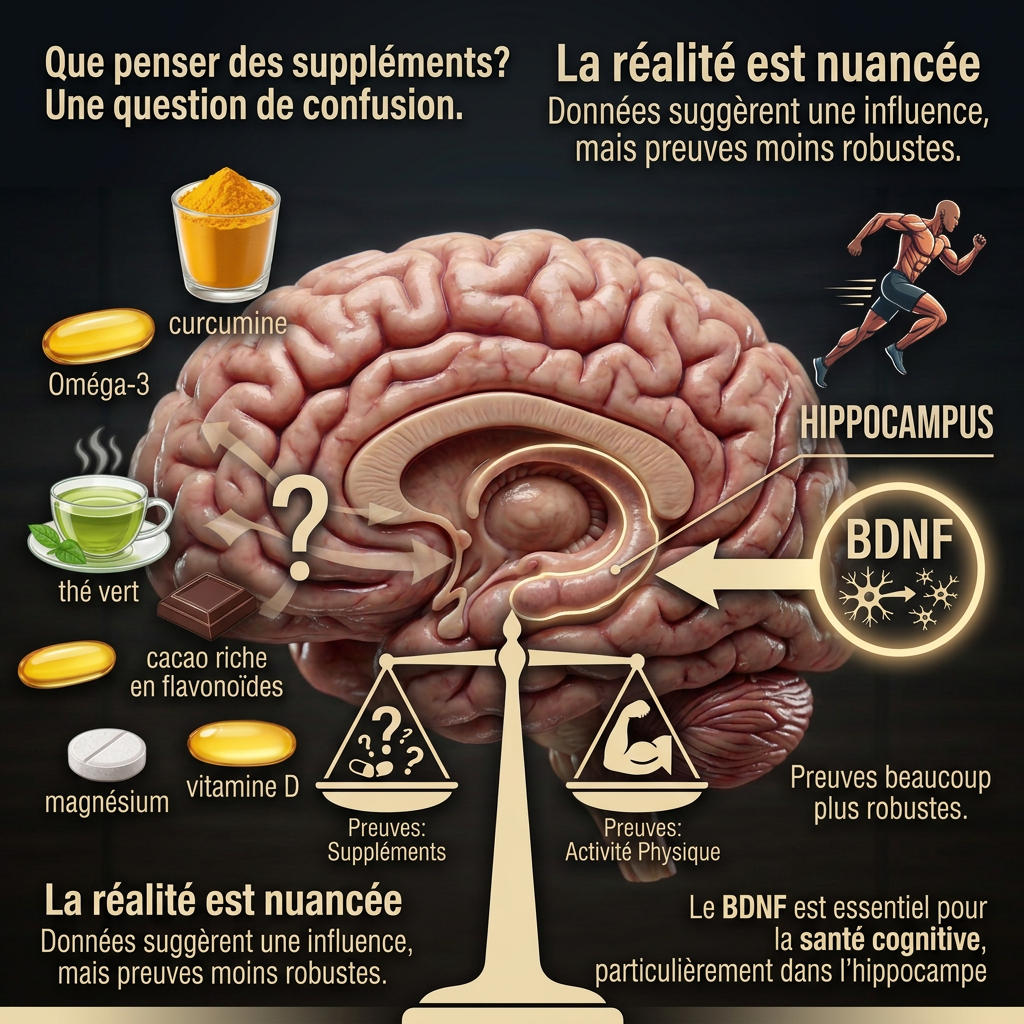
At present:
✅ Correcting a genuine nutritional deficiency is worthwhile.
✅ A healthy diet supports overall brain function.
✅ Some supplements appear promising and deserve further study.
❌ No supplement has been proven to raise BDNF enough to prevent or treat a neurological disease on its own.
❌ No product has demonstrated the ability to “regenerate the brain” or “reverse neurodegeneration” simply by increasing BDNF.
Put simply, before investing heavily in supplements, you may be better off investing in a good pair of walking shoes.
Be Skeptical of Extraordinary Claims
The growing popularity of BDNF has unfortunately led to a number of exaggerated claims.
Statements such as:
- “Boost your BDNF and heal your brain.”
- “BDNF reverses Alzheimer’s disease.”
- “This supplement multiplies neuroplasticity.”
may sound appealing, but they are not supported by current scientific evidence.
BDNF is undoubtedly important, but it is only one piece of an extraordinarily complex system. Brain health depends on countless biological, psychological, and environmental factors that interact with one another.
Researchers view BDNF as a critical contributor to neuroplasticity, not as a miracle cure.
The Bottom Line
BDNF is one of the most important molecules involved in brain plasticity. It helps support learning, memory, emotional health, and recovery after neurological injury. Its potential role in conditions such as stroke, Parkinson’s disease, Alzheimer’s disease, and depression explains why it continues to attract so much scientific attention.
At the same time, the most effective ways to support BDNF remain surprisingly straightforward: stay physically active, keep learning, prioritize sleep, and maintain a healthy lifestyle.
That may not be the miracle solution many advertisements promise, but it is where the evidence is strongest today.
References
Azman, K. F., & Zakaria, R. (2022). Recent advances on the role of brain-derived neurotrophic factor (BDNF) in neurodegenerative diseases. International Journal of Molecular Sciences, 23(12), 6827. https://doi.org/10.3390/ijms23126827
Duman, R. S., & Monteggia, L. M. (2006). A neurotrophic model for stress-related mood disorders. Biological Psychiatry, 59(12), 1116-1127. doi: 10.1016/j.biopsych.2006.02.013. Epub 2006 Apr 21. PMID: 16631126.
Liu, G., Liang, Z., Wang, W., & Ge, R. (2026). Optimizing exercise modalities to enhance brain-derived neurotrophic factor levels in older adults: A Bayesian network and dose-response meta-analysis. Frontiers in Physiology, 17, 1777058. doi: 10.3389/fphys.2026.1777058. PMID: 42528705; PMCID: PMC13414880.
Romero Garavito, A., Díaz Martínez, V., Juárez Cortés, E., Negrete Díaz, J. V., & Montilla Rodríguez, L. M. (2025). Impact of physical exercise on the regulation of brain-derived neurotrophic factor in people with neurodegenerative diseases. Frontiers in Neurology, 15, 1505879.doi: 10.3389/fneur.2024.1505879. PMID: 39935805; PMCID: PMC11810746.
Toader, C., Serban, M., Munteanu, O., Covache-Busuioc, R.-A., Enyedi, M., et al. (2025). From synaptic plasticity to neurodegeneration: BDNF as a transformative target in medicine. International Journal of Molecular Sciences, 26(9), 4271. doi: 10.3390/ijms26094271. PMID: 40362507; PMCID: PMC12071950.
Vásquez-Carrasco E, Albornoz-Gómez V, Cerda-González E, González-Guerra C, Salazar-Díaz J, Hernandez-Martinez J, Sandoval-Vásquez C and Valdés-Badilla P (2026) Effects of cognitive-motor interventions on serum BDNF levels in adults and older population post-stroke: a systematic review and meta-analysis of randomized controlled trials. Front. Pharmacol. 17:1835358. doi: 10.3389/fphar.2026.1835358