


- 11 September 2026
- The Neuro-Concept Blog
IFESS 2026: Functional Electrical Stimulation (FES) Driving Neurological Recovery, Physical Activity, and Social Participation
From Compensation to Neurological Recovery
For many years, Functional Electrical Stimulation (FES) was primarily used as a compensatory technology to assist lost functions such as walking or upper-limb movement. Discussions presented at IFESS 2026, however, highlighted a major paradigm shift: FES is increasingly being viewed as a therapeutic intervention designed to promote neurological recovery through neuroplasticity.
The objective is no longer limited to producing movement during stimulation. Instead, the goal is to induce lasting adaptations within the nervous system. This evolving perspective is reshaping the role of FES in neurological rehabilitation programs and strengthening its contribution to strategies aimed at restoring functional abilities following spinal cord injury, stroke, and other neurological conditions.
For rehabilitation professionals, this shift is significant. It positions electrical stimulation at the center of recovery-oriented interventions rather than simple compensation strategies.
Spinal Stimulation at the Forefront of Innovation
Among the most discussed topics at IFESS 2026, spinal stimulation, also referred to as spinal cord stimulation, has become a central area of interest.
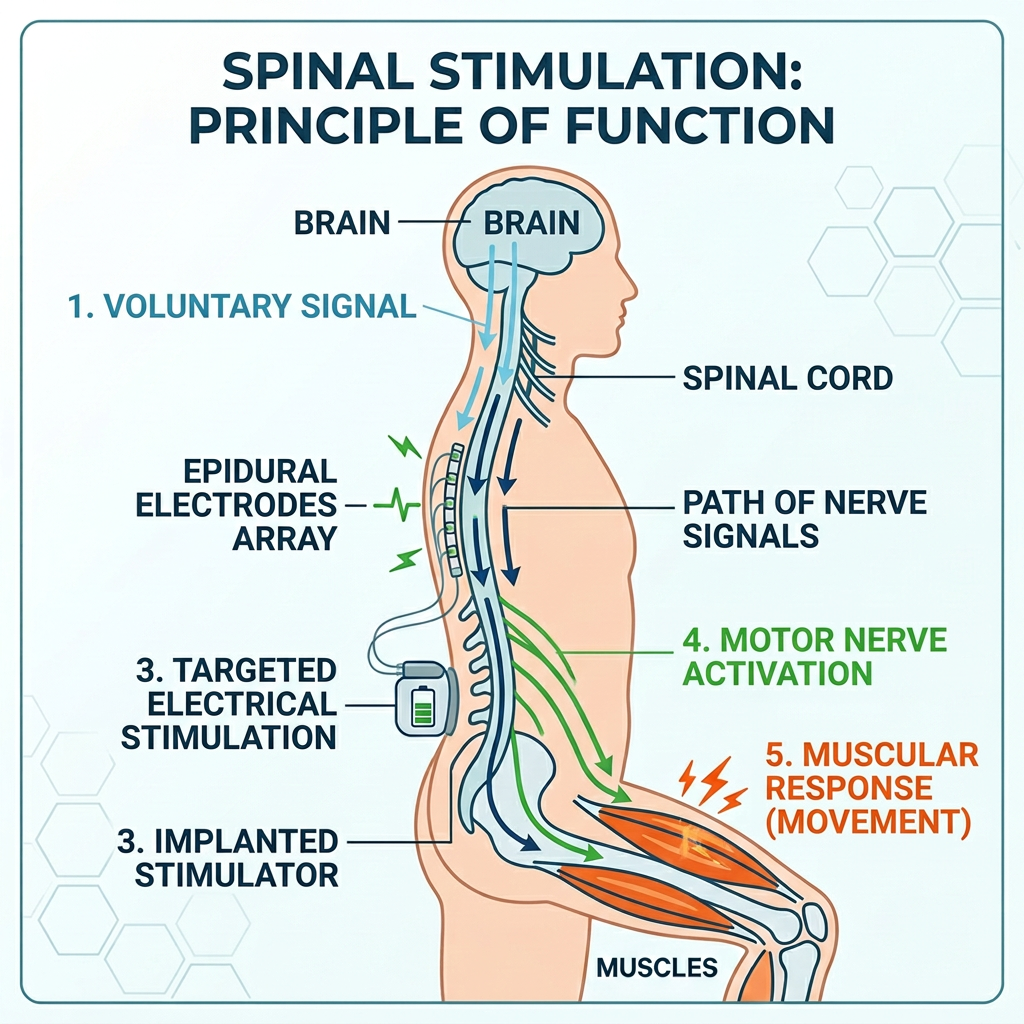
To understand this approach, it is important to recognize that the spinal cord is not merely a “cable” transmitting information between the brain and muscles. It also contains neural networks capable of coordinating movements such as walking and maintaining posture. Following spinal cord injury or stroke, these networks may remain partially functional but may no longer receive or transmit movement-related signals effectively.
Spinal stimulation involves delivering low-level electrical impulses to the spinal cord in order to increase the activity of these neural networks. Depending on the approach, stimulation may be non-invasive, using electrodes placed on the skin over the spine (transcutaneous stimulation), or invasive, using surgically implanted electrodes positioned near the spinal cord (epidural stimulation).
Unlike traditional FES, which primarily aims to directly activate muscles and produce movement, spinal stimulation acts more as a facilitator of nervous system activity. Its purpose is to make neural circuits more responsive to information coming from the brain, muscles, and environment. In other words, it helps the nervous system better utilize the capacities that remain after neurological injury.
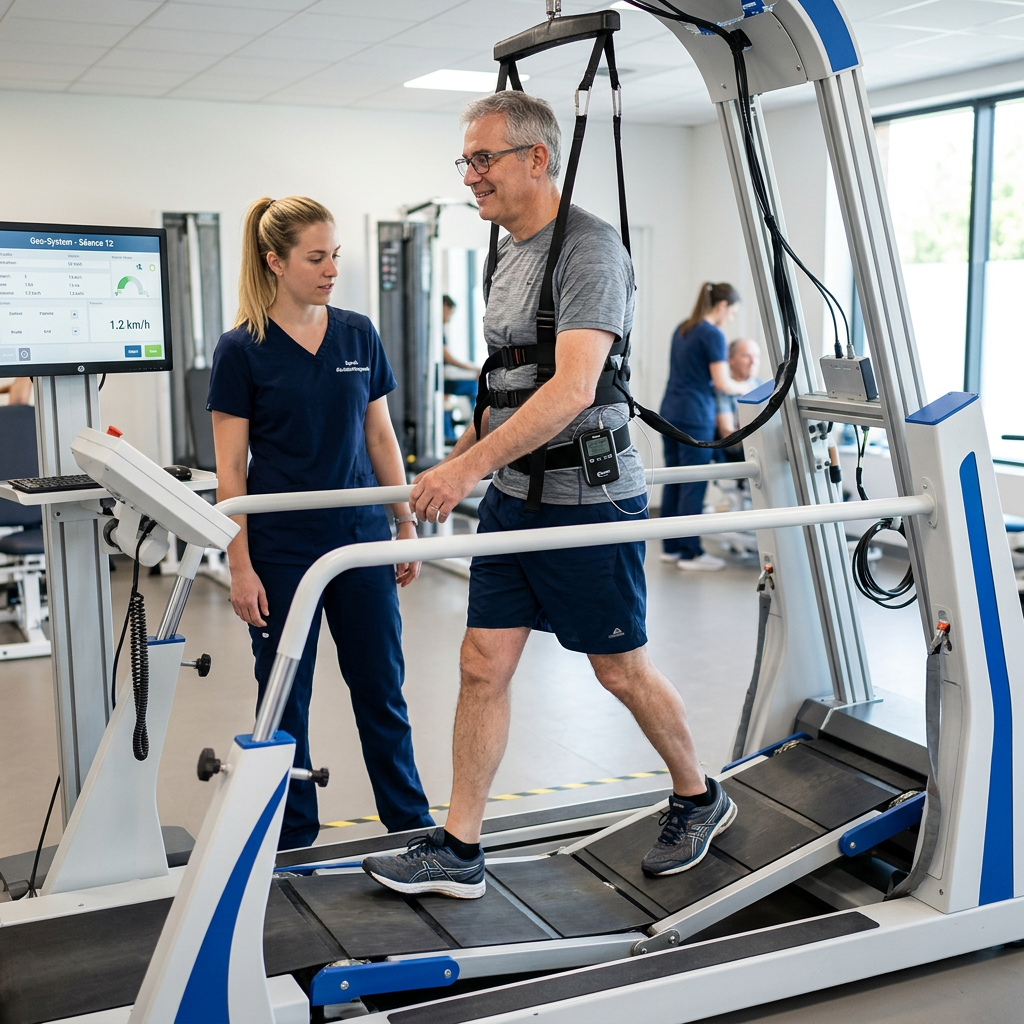
Research presented at the conference suggests that this approach may contribute to improvements in walking, balance, postural control, and certain upper-limb functions, particularly in individuals living with spinal cord injuries. In many research projects, spinal stimulation is being combined with intensive rehabilitation, functional electrical stimulation, robotics, and locomotor training to maximize neurological recovery outcomes.
While many of these technologies are still under development, their strong presence at IFESS 2026 demonstrates that spinal stimulation is becoming one of the most promising avenues in neurorehabilitation. It perfectly illustrates the shift in perspective observed throughout the conference: rather than simply compensating for lost function, interventions increasingly aim to reactivate the neural circuits involved in movement and promote more sustainable recovery.
The Rise of Hybrid Approaches
Another key message from the conference was the gradual disappearance of boundaries between different rehabilitation technologies.
Numerous presentations focused on systems combining:
- Functional Electrical Stimulation (FES)
- Brain-computer interfaces (BCIs)
- Rehabilitation robotics
- Exoskeletons
- Virtual and augmented reality
- Intelligent sensors and biofeedback
These hybrid approaches aim to reproduce functional tasks in a more realistic and engaging manner for users. They also provide opportunities to personalize interventions according to each individual’s capacities and progression.
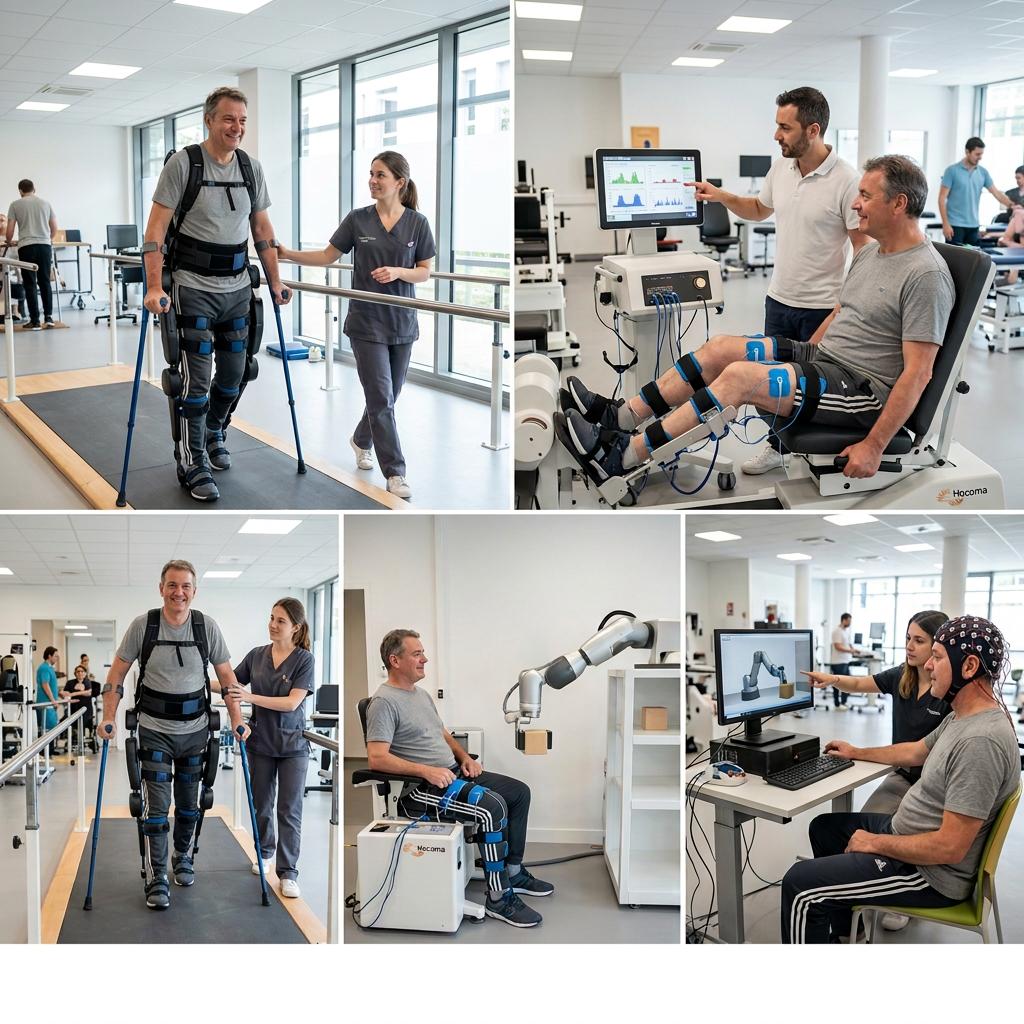
The overall goal is to create therapeutic environments that support neurological recovery while enhancing patient engagement throughout the rehabilitation process.
Toward Personalized Treatments Through Closed-Loop Systems
Personalization emerged as one of the major themes of the conference. So-called closed-loop systems are rapidly gaining momentum in the field of FES. Unlike traditional devices that deliver fixed stimulation parameters, these systems automatically adjust stimulation based on the patient’s real-time responses.
Sensors continuously monitor muscle activity, posture, movement, or specific neurological parameters, allowing interventions to be dynamically adapted as conditions change.
For clinicians, this evolution opens the door to more precise, effective, and individualized interventions capable of addressing the variability commonly observed among people living with neurological disorders.
A Broader Vision of Health
The 2026 conference also highlighted the expansion of electrical stimulation beyond motor functions alone. Several presentations focused on applications related to:
- Respiratory function
- Cardiovascular health
- Bladder and bowel function
- Prevention of secondary complications
- Quality of life and overall well-being
This evolution reflects a broader vision of rehabilitation in which quality of life, well-being, and overall health are considered just as important as functional recovery.
From Rehabilitation to Social Participation: How FES Supports an Active Lifestyle
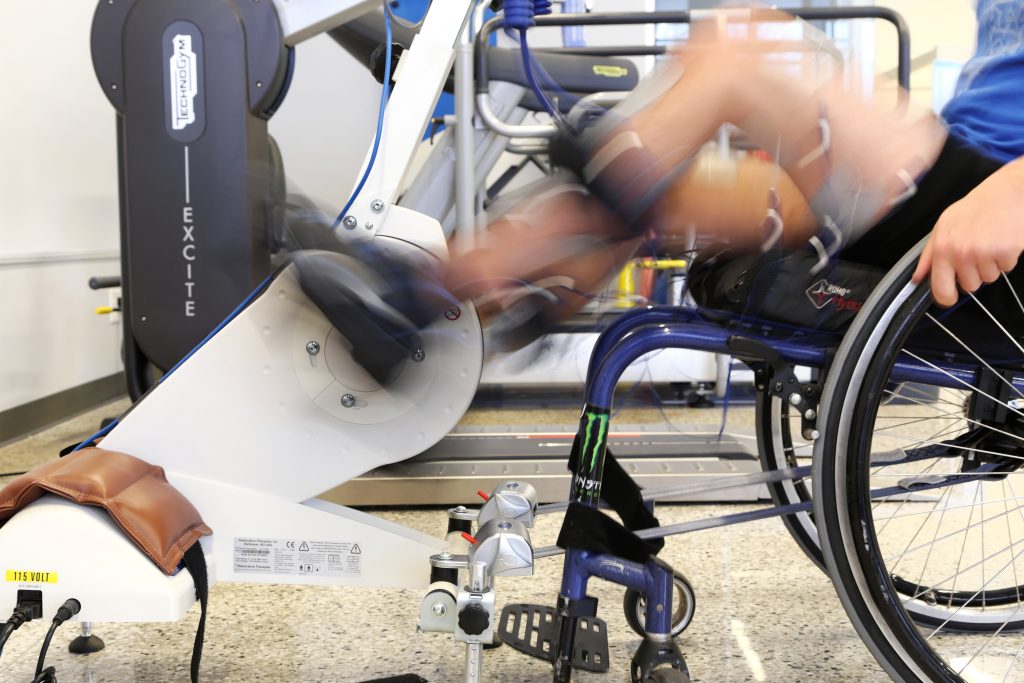
Beyond advances in neuroplasticity and spinal stimulation, one of the most compelling messages emerging from IFESS 2026 was the importance placed on physical activity, long-term health, and social participation. This focus was notably illustrated by the traditional FES Cycling Event, which has become a symbol of the potential of functional electrical stimulation to support active living.
FES cycling enables individuals, particularly those living with spinal cord injuries, to pedal through coordinated electrical activation of lower-limb muscles. Today, however, cycling is only one of many FES applications. Commercially available technologies increasingly integrate FES into a variety of exercise and rehabilitation systems, including gait training devices, ergometers, rowing machines, exoskeletons, and other technologies designed to promote physical activity and cardiovascular conditioning.
Beyond technological demonstration, these approaches remind us that FES can contribute to maintaining physical fitness, improving cardiorespiratory endurance, preventing deconditioning, and supporting overall health.
This perspective aligns closely with the expertise of kinesiologists in Canada and adapted physical activity specialists in Europe, who play an important role within interdisciplinary rehabilitation teams. Their contribution extends far beyond exercise prescription and includes functional assessment, physical reconditioning, prevention of deconditioning, maintenance of functional gains, and long-term support for participation in daily, community, recreational, and sporting activities.
Discussions in Lecco reflected a broader and more holistic view of neurorehabilitation. The objective is no longer solely to restore neurological function but also to enable individuals to regain an active role in their personal and social lives. From this perspective, FES emerges as a cross-cutting intervention that supports neurological recovery, physical health, and social participation through close collaboration among physicians, physiotherapists, occupational therapists, kinesiologists or adapted physical activity specialists, engineers, and researchers.
Conclusion
The IFESS 2026 Conference confirms that Functional Electrical Stimulation is entering a new phase of maturity. Advances in neuroplasticity, spinal stimulation, robotics, and brain-computer interfaces continue to push the boundaries of neurological recovery.
At the same time, the conference demonstrated that the future of FES extends far beyond rehabilitation centers and research laboratories. Its growing integration into physical activity programs, health maintenance strategies, and initiatives promoting social participation reflects a significant evolution of the field. The challenge is no longer simply to restore function, but to enable people living with neurological conditions to live fully, remain active, and participate meaningfully in society.