

Recent Injury: Physiotherapy and Recovery
A recent injury differs from a chronic injury by its sudden onset and need for immediate care. Unlike older traumas that may leave lasting pain or limitations, acute injuries respond better to early intervention and tailored rehabilitation.
Tendonitis, muscle tears, fractures, sprains, bursitis… Injuries can affect bones, joints, muscles, ligaments, or nerves. They often cause pain, but may also lead to weakness and loss of mobility.
🔍 When to See a Physiotherapist Instead of a Doctor
In many cases, you can consult a physiotherapist directly, without needing a referral from a doctor. This is especially true in provinces like Quebec and across Canada.
✅ Consider seeing a physiotherapist first if you experience:
- Musculoskeletal pain (e.g., back pain, neck pain, shoulder pain)
- A sports injury or accident without signs of fracture
- Reduced mobility, muscle weakness, or joint stiffness
- The need for injury prevention or support with physical conditioning
- A neurological condition with a new change in function (e.g., pain, stiffness, reduced balance)
Physiotherapists are trained to evaluate your condition, initiate safe treatment, and refer you to a physician if imaging (like an X-ray or MRI) or medical intervention is needed.
⚠️ See a doctor first if you have:
- Severe or unexplained pain that appears suddenly
- Visible deformity, suspected fracture, or complete loss of movement
- Neurological red flags (e.g., numbness, sudden weakness, incontinence)
- Signs of infection (fever, redness, swelling, heat)
- General symptoms like extreme fatigue or unexplained weight loss.
🎯 In summary:
The physiotherapist is often the first-line professional for mild to moderate injuries, musculoskeletal pain, or mobility issues. They can assess, treat, and refer when needed. If in doubt or in the presence of severe symptoms, a medical consultation should come first.
How Physiotherapy Supports Recovery After an Injury
A prompt physiotherapy assessment can help reduce pain, minimize complications, and restore your physical function. In cases involving immobilization (e.g., cast or brace), physiotherapists work to prevent physical deconditioning and compensatory movement patterns that may slow recovery.
Physiotherapy plays a central role in functional rehabilitation, using manual therapy, therapeutic exercise, and specialized tools tailored to your injury.

Injury and Neurological Conditions: A Unique Rehabilitation Approach
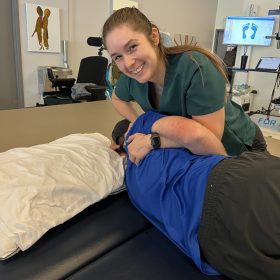
If you live with a neurological condition such as a stroke, multiple sclerosis, or spinal cord injury, a new physical injury can have greater and longer-lasting impacts. Recovery is often slower and more complex, requiring specialized care.
A physiotherapist with neurological expertise will consider your pre-existing condition and develop a customized rehab plan, including adaptive exercises, assistive technologies, and strategies to reduce pain and restore mobility.

Goals of Physiotherapy for Recent Injuries
- Reduce pain and inflammation
- Accelerate tissue healing
- Prevent physical deconditioning
- Restore strength, flexibility, and coordination
- Address poor movement habits and compensations
- Adapt the approach for neurological conditions
Don’t let a recent injury become a long-term problem. Early intervention with a physiotherapist can promote faster, more effective recovery.