


- 11 May 2026
- The Neuro-Concept Blog
Brain, Cognition and Daily Functioning: When Should You Consult in Quebec?
By Dre Murielle Grangeon, PhD, Kin, Admin.A.
This article is the fourth and final installment in our series “Brain Health: A Major Issue in Quebec.”
Over the past few weeks, we have explored:
- the blind spots in Quebec’s healthcare system regarding brain health
- the limits of public discourse around neuroplasticity
- the systemic delay in cognitive prevention
👉 This final article addresses a central clinical question:
at what point do cognitive symptoms warrant a formal evaluation?
Normal Variability vs Dysfunction: A Complex Distinction
Cognitive functioning naturally varies depending on:
- cognitive and emotional load
- sleep quality
- physiological and psychosocial stress
- overall health status
As a result, certain manifestations are expected:
- attentional fluctuations
- occasional forgetfulness
- temporary cognitive slowing
👉 The clinical challenge lies in distinguishing between:
- normal intra-individual variability
- and clinically significant dysfunction
In Quebec, this distinction is often blurred by a tendency to attribute most cognitive difficulties to stress.
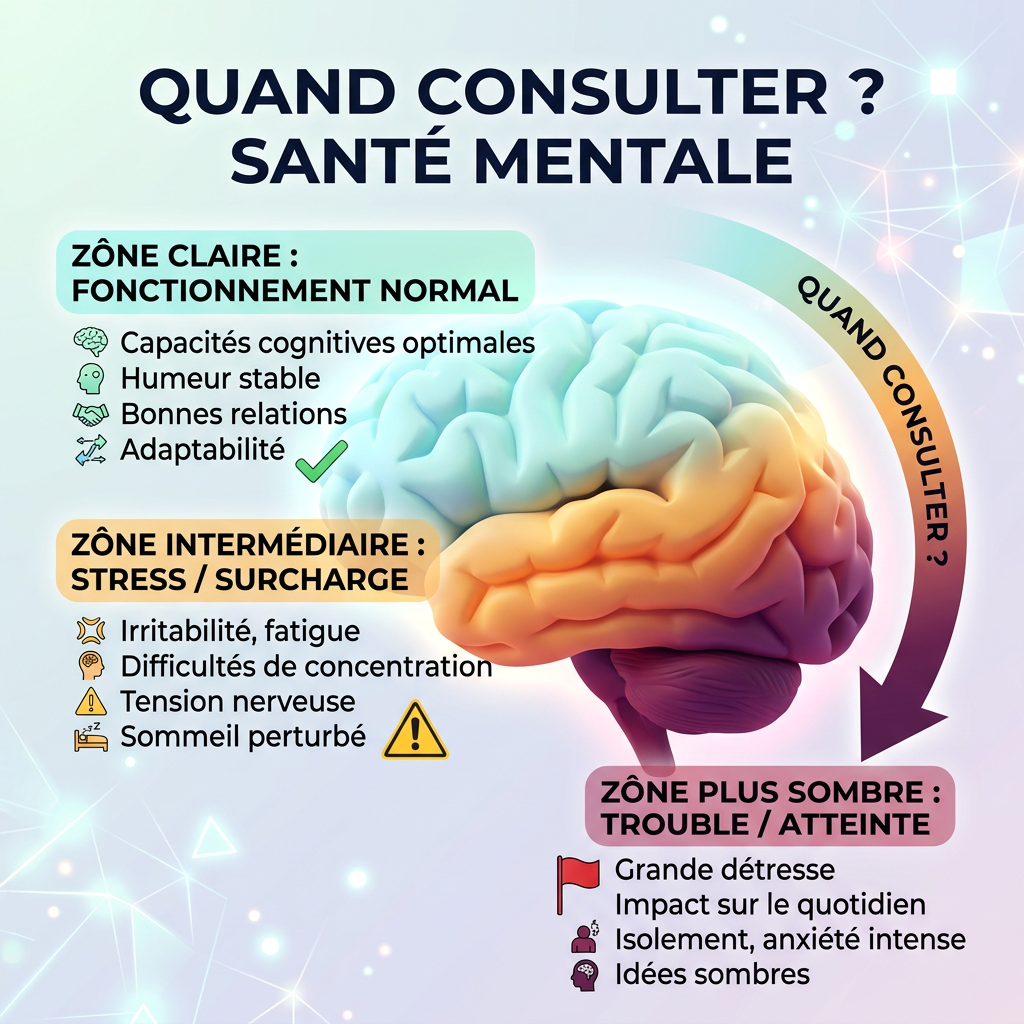
Clinical Indicators of Impairment
A cognitive evaluation becomes relevant when the following are observed:
- Persistence: difficulties occurring over time
- Generalization: multiple contexts affected
- Change: noticeable decline compared to previous functioning
- Functional impact: reduced efficiency or reliability
👉 The issue is not a single symptom, but its overall functional impact.
Stress vs Cognitive Disorder
- fluctuating
- reversible
- context-dependent
Cognitive dysfunction
- persistent
- less responsive to rest
- functionally measurable
Clinical Illustrations
👉 Evaluation reveals cognitive exhaustion affecting attention, related to chronic overload.
👉 Profile suggests attention inefficiency exacerbated by academic stress.
👉 Temporary reduction in cognitive efficiency related to recovery.
👉 Previously undiagnosed ADHD, compensated for years.
💡 These cases highlight a central issue:
- a mismatch between environmental demands and cognitive resources
- cognitive difficulties that may be subtle but are real, measurable, and modifiable
Why Consult Earlier?
In Quebec:
- access to services is limited
- wait times are significant
- severe cases are prioritized
👉 As a result, moderate difficulties are often normalized or addressed too late.
However, an evaluation allows for:
- identifying a cognitive profile
- targeting appropriate interventions
- preventing further decline
Interdisciplinary Approach
- Neuropsychologist: cognitive assessment
- Psychologist: emotional and adaptive factors
- Physician (neurologist, psychiatrist): medical causes
- Other professionals (occupational therapists, kinesiologists, etc.): functional adaptation and managing healthy lifestyle habits to support brain activity.
👉 The private sector increasingly plays a key role in access to care — an issue discussed in our third article.
👉 A cognitive evaluation often bridges the gap between subjective experience
(“I’m not functioning like I used to”) and objective data.
Is my current functioning different from before, and does it have a concrete impact on my daily life?If the answer is yes—even partially—consultation may be appropriate.
Taking Action to Support Cognitive Health
Simple habits to integrate into daily life:
🧩 Stimulate your brain regularly
→ active learning, developing new skills
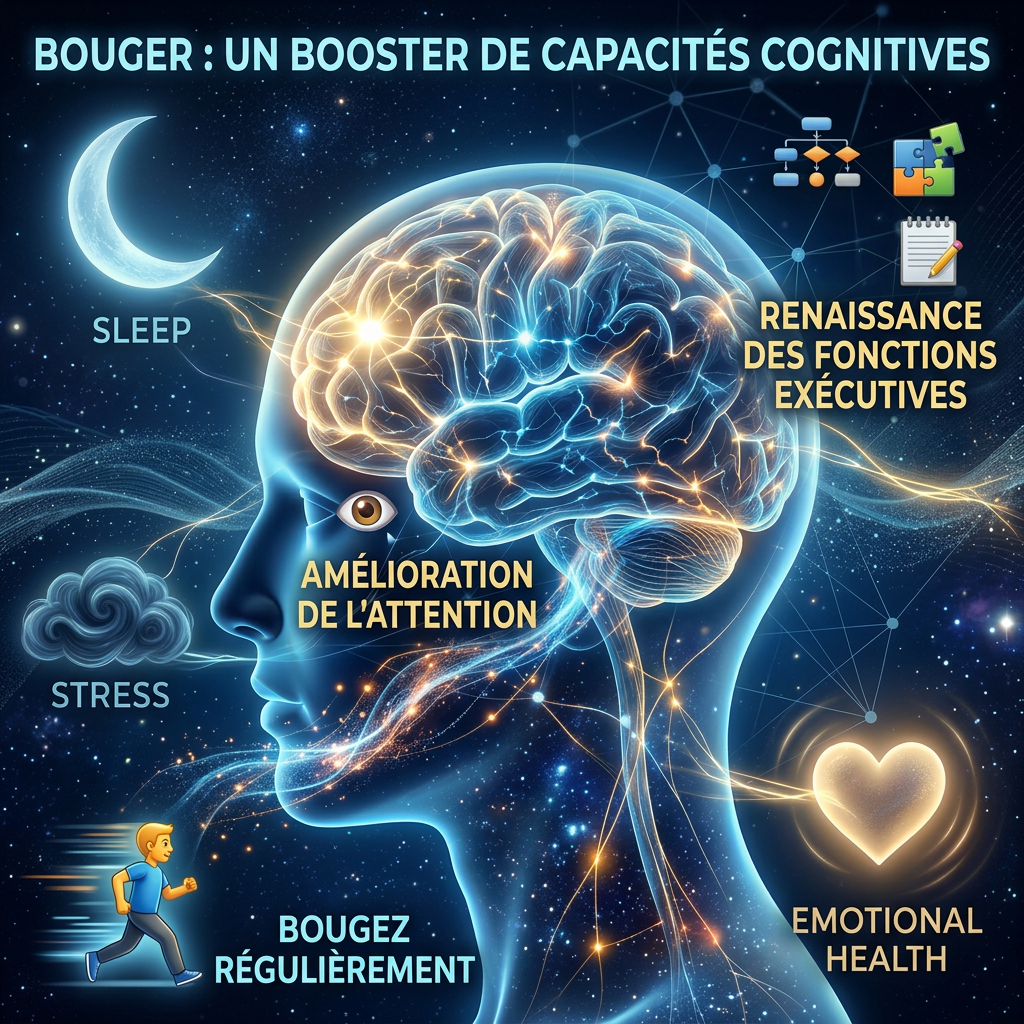
🚶 Stay physically active
→ supports attention and executive functioning
👥 Maintain social connections
→ recognized protective factor
🧘 Reduce mental overload
→ chronic stress can impact cognition
😴 Protect your sleep
→ essential for cognitive performance
👉 Key takeaway:
It is the consistent repetition of these habits over time that supports cognitive health.
Rethinking “Normal”
Quebec data point to:
- an increase in neurocognitive disorders with age
- a growing role of informal caregivers
👉 In this context, normalizing persistent cognitive fatigue can be problematic.
Conclusion
- Not all cognitive difficulties are pathological
- Their persistence and functional impact are key indicators
- Stress does not explain everything
- Early evaluation leads to better outcomes
👉 The goal is not only to treat disorders, but to optimize cognitive functioning.