


- 13 April 2026
- Neurology, The Neuro-Concept Blog
Brain Health: A Blind Spot in Québec’s Healthcare System?
By Dre Murielle Grangeon, PhD, Kin, Admin.A.
In Québec, health is a constant topic of discussion. We talk about waiting lists, workforce shortages, population aging, mental health, and chronic pain. Yet one central element cuts across all these concerns without being clearly named or addressed in a coherent way: brain health.
Although the brain lies at the core of how we function—cognition, emotions, movement, pain, and stress adaptation—it often remains the great blind spot of preventive and functional approaches within our healthcare system.
A System Focused on Symptoms… Not on Function
Québec’s healthcare model has historically been structured around:
- categorical diagnoses,
- symptoms to be eliminated,
- and often fragmented interventions.
This model is essential for managing emergencies, acute illnesses, and certain well‑defined conditions. However, its limitations become evident when dealing with:
- persistent fatigue,
- chronic pain,
- mild cognitive difficulties,
- chronic stress,
- brain fog,
- functional disorders without clear tissue damage.
In these situations, the brain and the nervous system are often involved, yet they are rarely assessed or supported as adaptive systems in their own right.
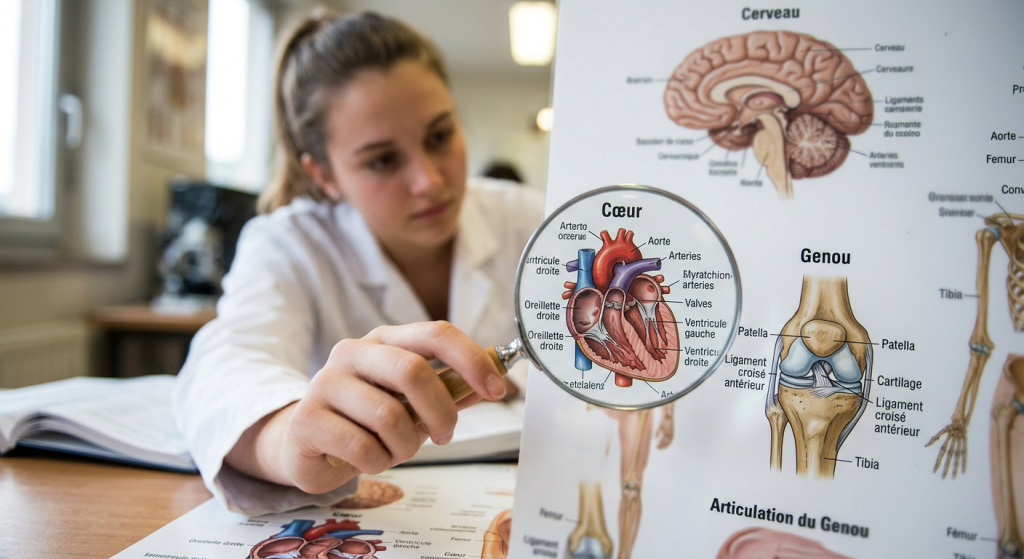
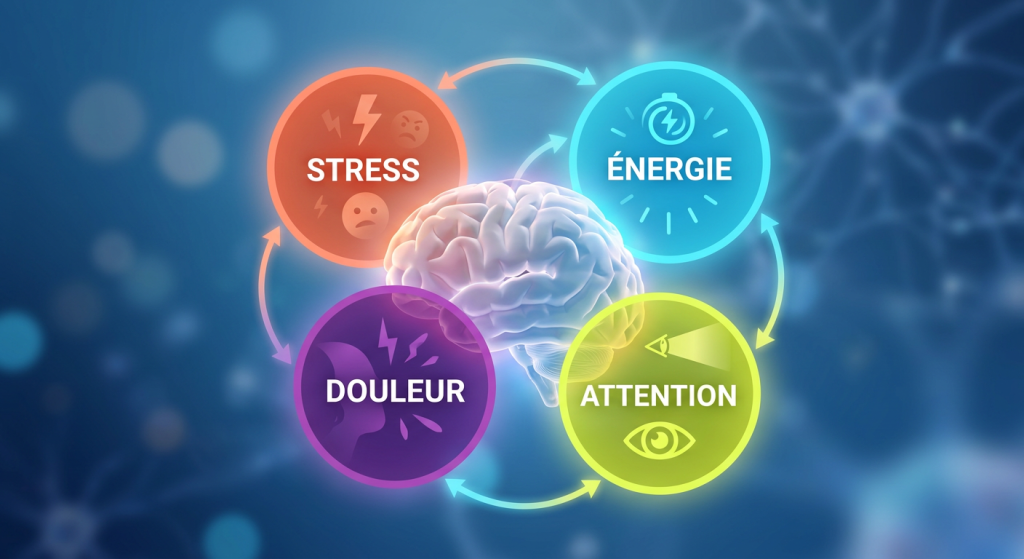
The Brain: An Organ of Adaptation, Not Just Diagnosis
Contrary to a still‑common view, the brain is not simply an organ to be “repaired” when damaged.
It is, above all, an organ of adaptation.
It constantly adjusts:
- attention levels,
- pain perception,
- energy management,
- emotional responses,
- motor strategies.
When these adaptive mechanisms are overwhelmed—by stress, overload, pain, or illness—the brain may shift into inefficient patterns of functioning. These patterns can persist even after the original trigger has resolved.
It is precisely here that the boundary between “disease,” “mental health,” and “neurological functioning” becomes blurred—and is often poorly addressed.

A Reality Well Known to Québec Patients
Many patients in Québec recognize themselves in this experience:
“All my tests are normal, but I don’t function the way I used to.”
MRI scans, blood tests, specialist evaluations—nothing clearly explains the symptoms. Yet the suffering is real, the impact on daily life is significant, and the system’s response is often limited to:
- learning to live with it,
- partial medication,
- fragmented follow‑up,
- prolonged waiting.
This gap between “normal” medical results and persistent functional difficulties is a clear signal that brain health requires a different, more integrated approach.
Aging, Work, and Stress: Distinctly Québec Issues
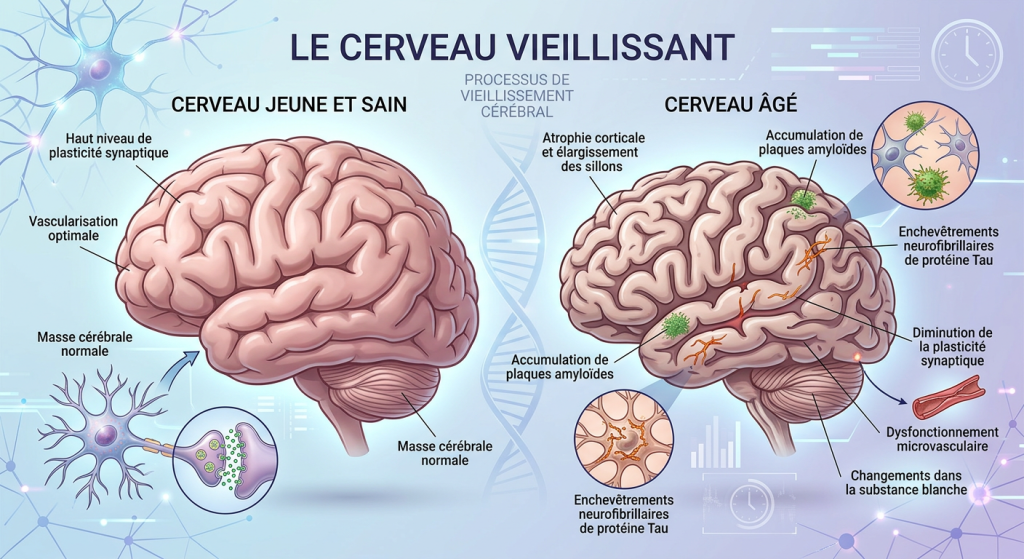
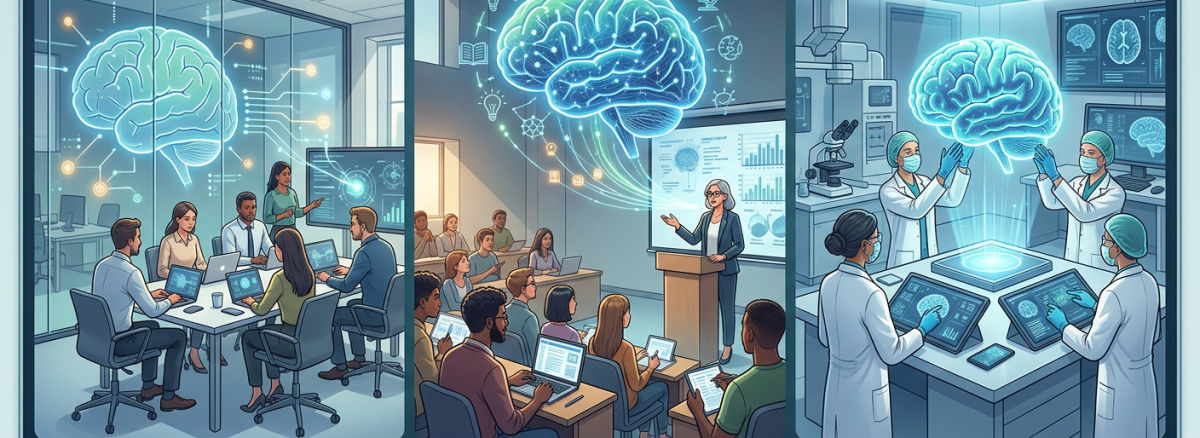
Population Aging
Québec’s population is aging rapidly. With age naturally come:
- cognitive changes,
- reduced adaptive reserve,
- increased sensitivity to physiological stress.
Yet there is still little focus on actively supporting brain health before more severe cognitive problems emerge.
Work and Cognitive Overload
Remote work, multitasking, and workforce shortages place sustained—and often prolonged—cognitive demands on Québec workers.
Mental fatigue becomes chronic and normalized, rarely assessed as a neurological issue.
Stress and Mental Health
In Québec, conversations about mental health are more open than ever, which is a major step forward. However, they often remain disconnected from neurobiological functioning, even though stress, anxiety, and burnout directly involve the nervous system.
Why Brain‑Focused Prevention Comes Too Late
We talk extensively about cardiovascular, musculoskeletal, and metabolic prevention.
But prevention focused on brain function remains marginal.
Why?
- Because the brain is perceived as complex and abstract.
- Because what does not clearly appear on imaging is less readily acknowledged.
- Because prevention requires time, education, and a long‑term perspective.
Yet early intervention targeting:
- stress regulation,
- fatigue management,
- motor learning,
- attentional strategies,
often helps prevent the development of chronic problems that are far more costly—humanly and financially.
Toward a More Functional Approach to the Brain
Talking about brain health does not mean minimizing the importance of:
- medicine,
- psychology,
- pharmacology.
Rather, it means complementing these approaches with a deeper understanding of everyday neurological functioning.
This involves:
- explaining to patients what is happening within their nervous system,
- focusing on the quality of adaptation rather than solely on symptom suppression,
- restoring the brain’s natural capacity to adjust.
Conclusion
Brain health is neither a luxury nor a trend.
It is a critical—and still too often overlooked—lens for understanding:
- persistent pain,
- exhaustion,
- functional cognitive difficulties,
- loss of quality of life without a clear diagnosis.
In Québec, truly integrating brain health into care represents a challenge—but also a tremendous opportunity.
👉 In upcoming articles, we will explore how the brain adapts, becomes dysregulated, and can be retrained—and, most importantly, what this means in practical terms for patients.