

- 24 March 2026
- Rehabilitation explained, The Neuro-Concept Blog
How to Objectively Measure Progress in Neurorehabilitation?
By Dre Murielle Grangeon, PhD, Kin, Admin.A.
Neurological rehabilitation increasingly relies on measurable data to track patient evolution, objectify treatment outcomes, and guide therapeutic adjustments. Yet, evaluating progress is not always simple: trajectories vary widely, gains can be subtle, and traditional tools often rely on subjective observation.
So how can we reliably, reproducibly, and sensitively measure progress in neurorehabilitation? Here is an overview of the most relevant methods and how to integrate them into a modern, data‑driven approach.
1. Standardized Clinical Measures: An Essential Foundation
Key examples:
- FM-UE (Fugl-Meyer Upper Extremity)
The reference tool for assessing motor recovery after stroke. - Berg Balance Scale
Relevant for evaluating static and dynamic balance. - 6-Minute Walk Test (6MWT)
Indicates walking endurance and functional progression. - Modified Ashworth Scale
Used to assess spasticity.
🎯 Main strength: robust, validated tools used for decades.
📉 Limitation: sometimes lack sensitivity to detect small day‑to‑day changes.
2. Biomechanical Quantification: Measuring What the Eye Cannot See
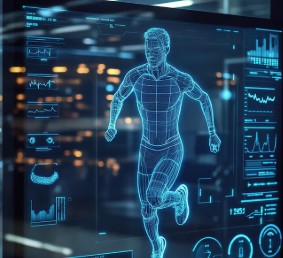
Commonly used technologies:
- Inertial sensors (IMUs): speed, amplitude, fluidity of movement, asymmetries
- Force platforms: reaction time, postural stability, weight distribution
- Digital goniometry: precise joint range of motion
- Digital dynamometry: accurate force measurement
- 3D motion analysis: advanced kinematics for complex motor disorders
🎯 Main strength: precision far beyond what the human eye can detect.
📉 Limitation: requires specialized equipment and expert analysis.
3. Neurophysiological Measures: Understanding What Happens in the Brain
Relevant tools:
- Surface EMG: muscle activation, co‑contractions, timing of recruitment
- TMS (Transcranial Magnetic Stimulation): cortical excitability, motor mapping
- Functional EEG: cortical engagement during motor tasks
🎯 Main strength: provides insight into neuromotor function beyond visible performance.
📉 Limitation: often restricted to specialized centers.
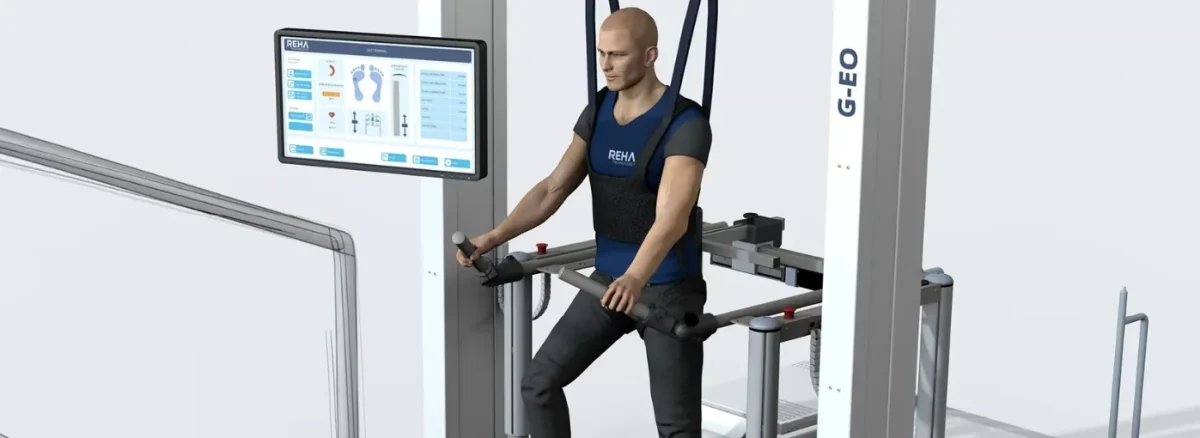
4. Robotics and Intelligent Assistance: Real‑Time Generated Data
- Force produced by the patient vs. the device
- Number of repetitions
- Levels of assistance and progression
- Coordination and movement trajectories
- Task success rates
🎯 Main strength: continuous, trackable, quantifiable data at every session.
📉 Limitation: requires proper integration into clinical practice.
5. Patient‑Reported Outcome Measures (PROMs): Measuring What Matters to the Person
Useful examples:
- Stroke Impact Scale (SIS)
- Neuro-QoL
- Pain and fatigue questionnaires
- Social participation scales
🎯 Main strength: captures the subjective experience often missed by instrumented measures.
📉 Limitation: depends on patient perception and context.
6. Continuous Digital Data: Toward Enhanced Rehabilitation
Examples:
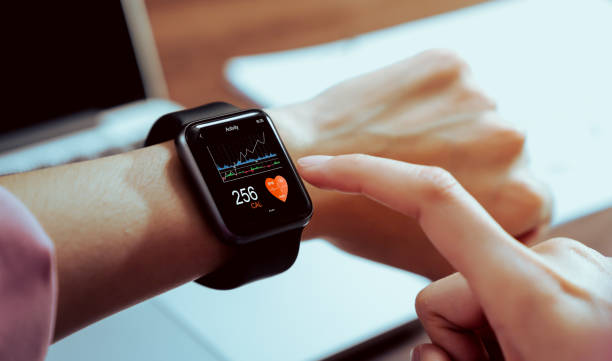
- Pedometers and smartwatches
- Walking cadence tracking
- Analysis of daily activity variability
- Digital symptom diaries
🎯 Main strength: reflects real-life performance, not just laboratory outcomes.
📉 Limitation: depends on patient adherence.
How to Integrate All These Data into a Coherent Follow‑Up?
✅ Combine clinical, biomechanical, and subjective data
This is the key to achieving a truly comprehensive evaluation.
✅ Use data visualization
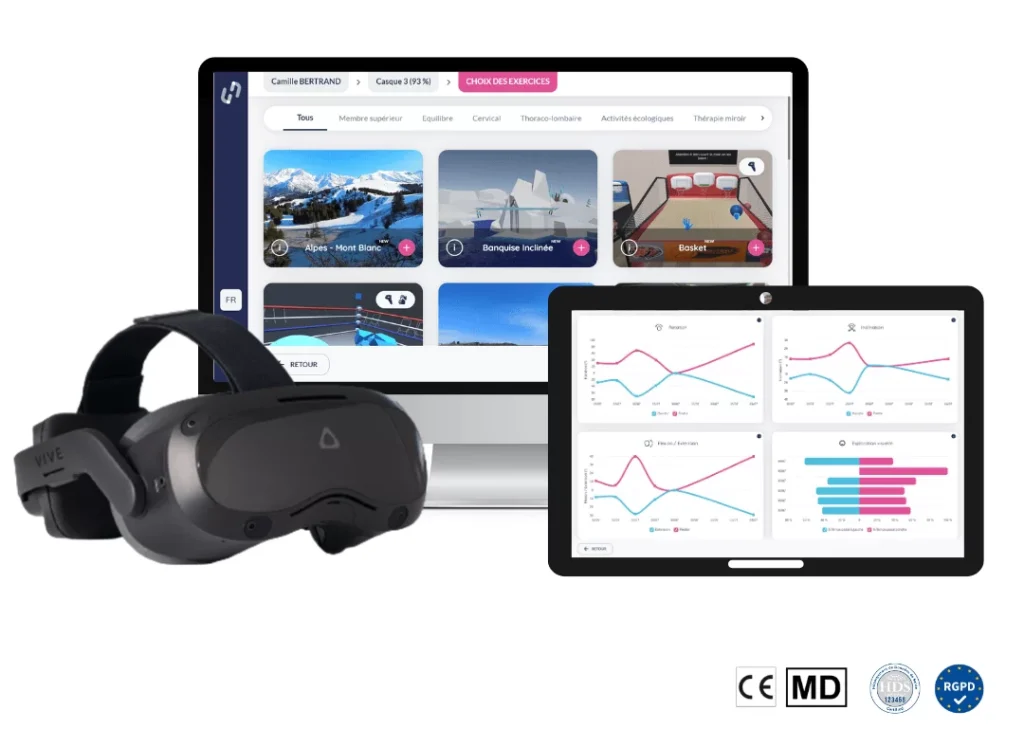
Simple dashboards help patients see their progress → increased motivation and adherence.
✅ Set SMART goals
For both the clinical team and the patient.
✅ Align evaluation methods with functional reality
For example: measuring the ability to stand up from a chair instead of knee range of motion alone.
Conclusion: Objectifying to Better Personalize
Neurorehabilitation is entering an era where data play an essential role. By combining clinical measures, technological tools, and patient perspectives, it becomes possible to obtain a precise, nuanced, and dynamic view of progress. This allows clinicians to:
- fine‑tune interventions,
- optimize therapy intensity and specificity,
- and highlight subtle yet meaningful improvements.
At Neuro‑Concept, this data‑driven and results‑oriented philosophy lies at the heart of our mission: providing rehabilitation grounded in science, innovation, and a deep understanding of each person’s potential.