

- 19 May 2026
- The Neuro-Concept Blog
Movement and Central Nervous System Disorders: Understanding the Mechanisms to Intervene More Effectively
By Dre Murielle Grangeon, PhD, Kin, Admin.A.
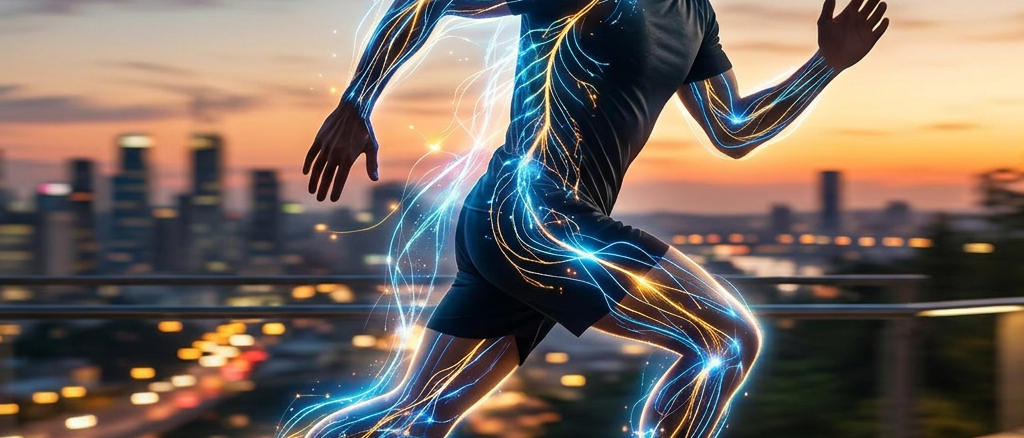
The Central Nervous System: The Conductor of Movement
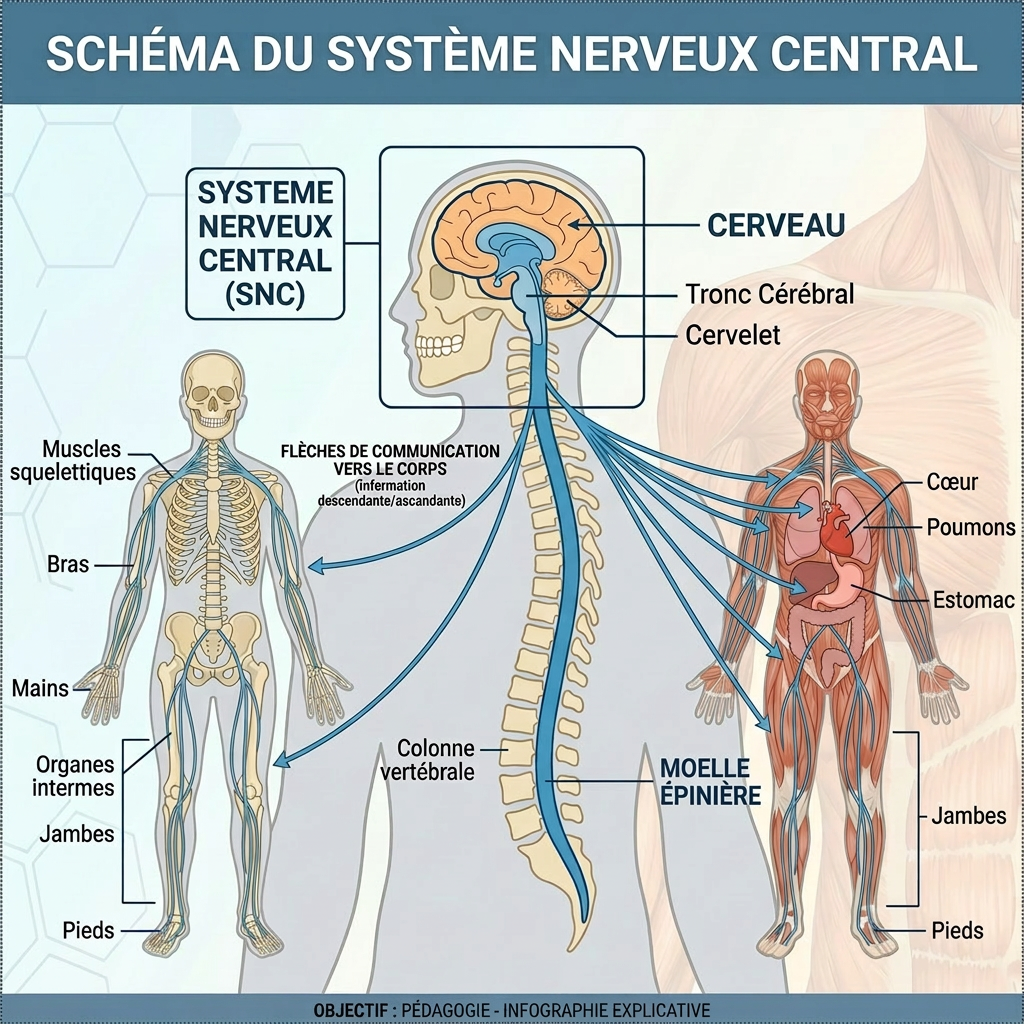
The central nervous system includes:
- the brain
- the spinal cord
Its role appears simple: to receive, process, and send information. In reality, it orchestrates an infinite number of functions:
- movement planning
- motor control
- balance
- coordination
- adaptation to the environment
👉 Every movement, from the simplest to the most complex, is the result of a finely tuned interaction between the body and the CNS.
What Happens in a CNS Injury?
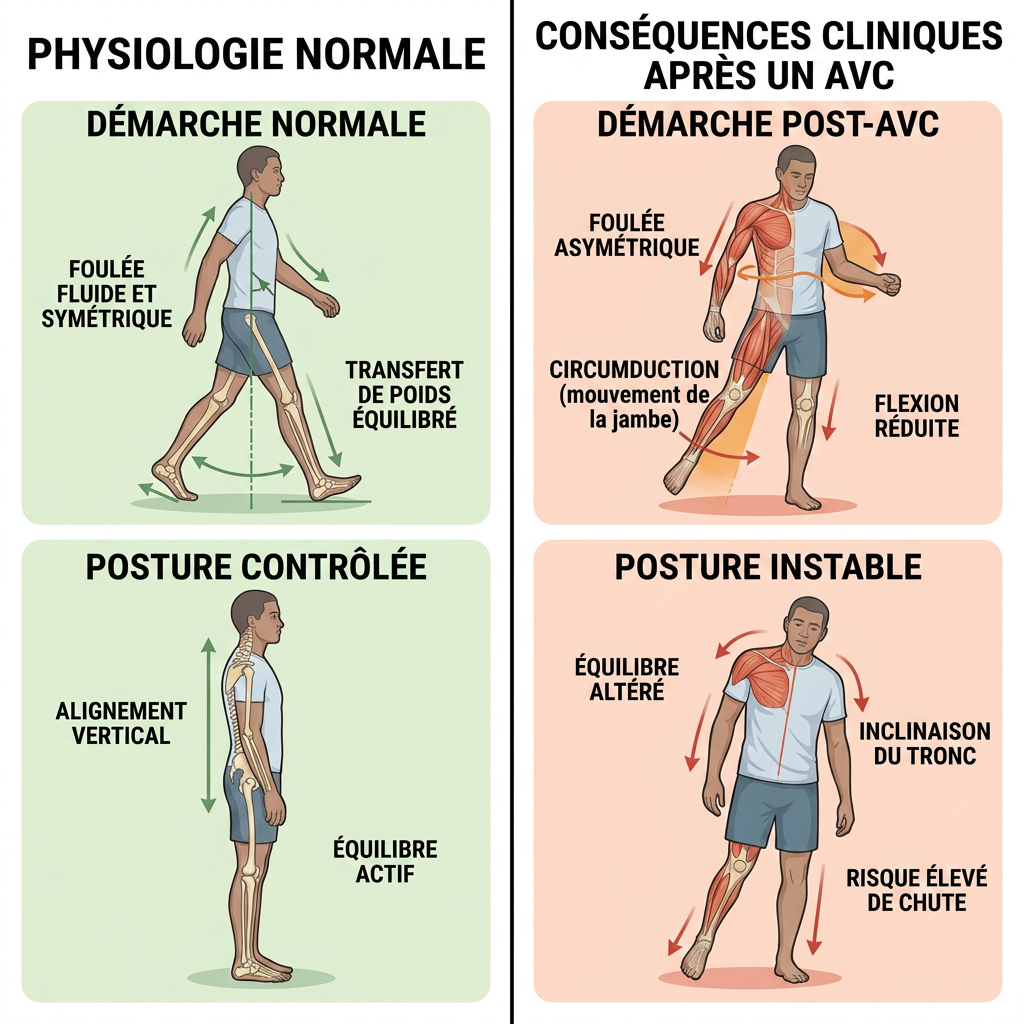
A CNS injury disrupts the transmission of information. Depending on the location and severity of the lesion, consequences may include:
- muscle weakness (paresis)
- spasticity
- loss of coordination (ataxia)
- balance disorders
- impaired perception
- cognitive difficulties
Most importantly:
➡️ movement becomes less efficient, less automatic, and often more effortful.
Unlike a musculoskeletal injury, the problem is not limited to tissue damage:
it affects the movement control system itself.
CNS vs Peripheral Nervous System: A Key Distinction
| Characteristic | Central Injury | Peripheral Injury |
|---|---|---|
| Location | Brain / spinal cord | Peripheral nerves |
| Nature of deficit | Movement organization | Signal transmission |
| Recovery | Adaptive (plasticity) | Possible regeneration |
| Intervention | Motor relearning | Functional repair |
This distinction means that recovery from CNS injury primarily depends on a learning process rather than simple tissue healing.
🧠 The Key: Neuroplasticity
The good news? The brain is not fixed.
It has an exceptional capacity called neuroplasticity:
👉 the ability of the nervous system to change, reorganize, and form new connections.
Concretely, this means:
- new neural pathways can compensate for injury
- certain functions can be partially or fully recovered
- the brain continues to learn—even after injury
However, this plasticity is not automatic.
➡️ It depends on stimulation.
🚶♂️ Movement: A Therapeutic Tool
In this context, physical activity becomes much more than exercise:
👉 It is a treatment for the nervous system.
Every motor action generates:
- neural activation
- a flow of sensory information
- feedback that allows adjustment
Contemporary approaches are based on:
- task-specific training
- motor learning principles
- controlled variability
- active engagement of the individual
The goal is not simply to produce movement, but to modify the underlying neural networks.
⚠️ A Common Mistake: Thinking “Muscle” Instead of “Brain”
In a traditional approach, one might try to:
- strengthen a muscle
- improve range of motion
- correct posture
But in neurology, the key question becomes:
👉 What motor learning is taking place?
Without this perspective:
- gains are limited
- compensations increase
- functional recovery plateaus
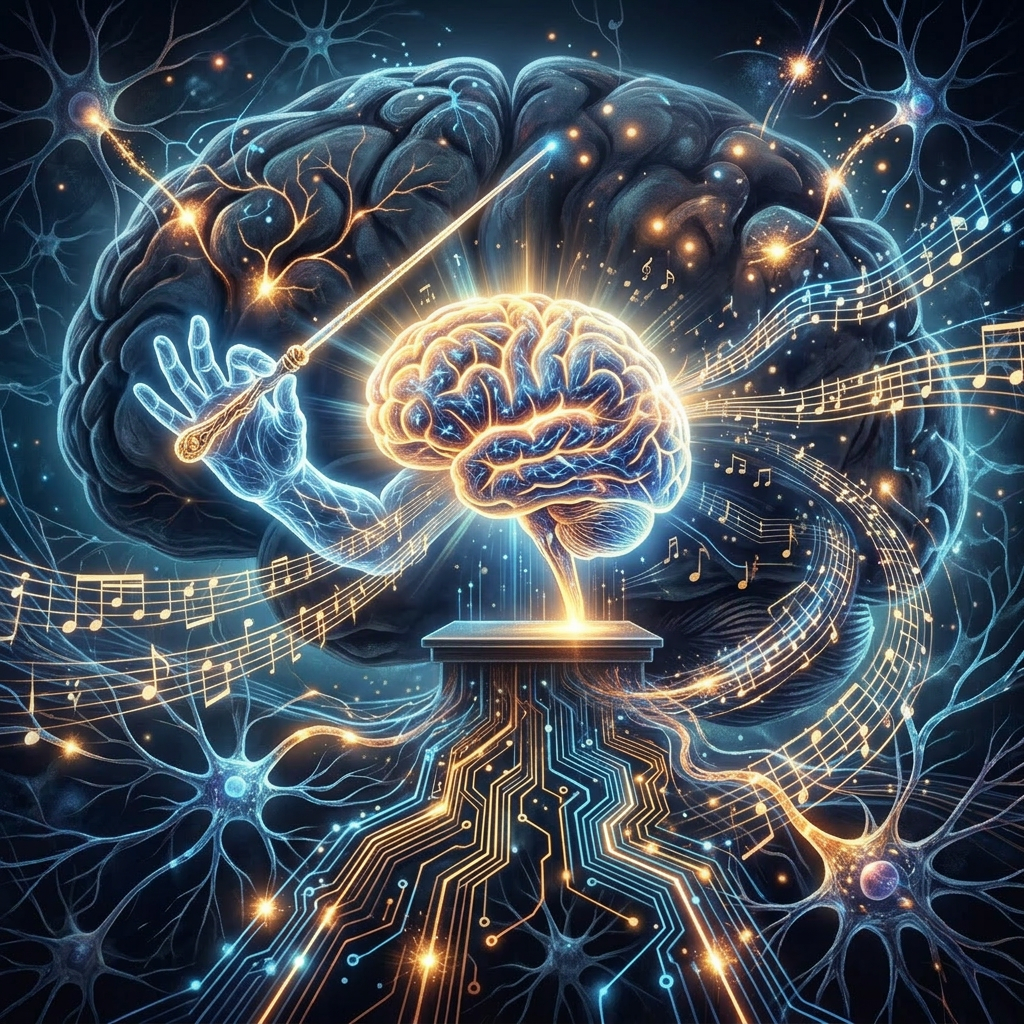
Understanding Before Acting
Working with a person with a CNS injury means:
- understanding the nature of the lesion
- analyzing functional limitations
- identifying remaining capacities
- guiding a motor learning process
It is not just about prescribing exercises.
It is about creating the conditions for the nervous system to relearn how to function.
💡 Key Message
👉 Movement is not only mechanical.
👉 It is deeply neurological.
In this context, the practitioner becomes:
- a guide
- a facilitator
- an architect of movement
An effective approach relies on integrating motor learning principles and adopting a systemic view of the individual.